
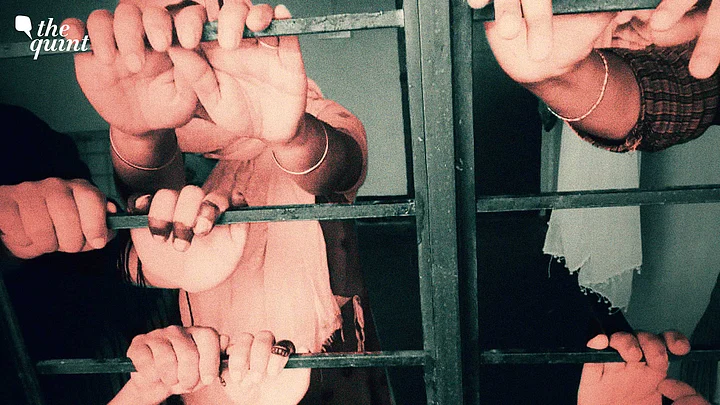
“We have done nothing wrong. Our villages were being burned, and we came here (India) to save our lives”, says Minara Begum (name changed to protect identity), a 45- year-old mother of three from Buthidaung, Myanmar.
She and her family came to India for refuge in November 2012. Upon reaching a local railway station, they sought help from the police, but they were instead detained.
Minara has since spent 12 years in jails and detention centres in India. All these years, she was forcefully kept separated from her husband and her first child. Her youngest child, who was two months old when they fled Myanmar, is now 12 and does not know of a life outside of prisons and detentions.
Through the United Nations High Commissioner for Refugees (UNHCR), the Canadian High commission requested to interview Minara. But the Indian authorities denied their request to be interviewed either virtually or at the Detention Center for Resettlement in Canada, stating that the Government of India is not willing to allow them to seek asylum in a third country. This decision was upheld by the High Court.
From May to November 2024, The Azadi Project and Refugees International interviewed Rohingya refugee detainees like Minara, their families, and lawyers, including a visit to a detention centre in India.
The investigation exposes details of violations of constitutional and human rights, highlighting the Indian government's “blatant disregard” for its international human rights commitments.