
Kolkata-based research organisation, Sabar Institute published a study on Wednesday, 8 April, which revealed that the percentage of Muslims removed from electoral rolls after Special Intensive Revision (SIR), in West Bengal's Bhabanipur is more than double the community’s share of the electorate.
Muslims account for around 20% of the electorate in Bhabanipur, yet they also added up to 1,554 of the 3,875 deleted voters after adjudication (40.1%), these findings have triggered concerns locally and across the West Bengal electorate about alleged targeting.
This analysis has been made after the Election Commission of India (ECI) had published a preliminary “final” list of voters after the SIR was conducted in Bhabanipur on 28 February.
A little over 14,000 names were on the “under adjudication” list, according to The Telegraph.
As per ECI data, Bhabanipur had around 2 lakh voters in December 2025. However, the list of Absent, Shifted, Dead and Duplicate (ASDD) voters published by the panel on 16 December had deleted around 44,000 names in the Bhabanipur constituency alone. The Muslim share in this list was around 23%, which amounts to around 10,000 names.
A month later, on 24 January, the ECI uploaded another list of around 30 lakh “unmapped” voters across West Bengal; these people’s details could not be linked with the records of the last revision of rolls, which was conducted more than two decades ago, in 2002.
Another list was posted on the same day, which placed around 1.2 crore voters under the “logical discrepancies” category. The list of voters in the Bhabanipur constituency who were placed under this category was represented by 52% of Muslims.
“The figures in Bhabanipur look relatively normal when compared to some other seats that show a massive mismatch between the Muslim share of the electorate and the community’s representation in the list of deleted voters. But 20 percent of the population and 40 percent of those deleted still translates to a strong disproportionality,”Sabir Ahamed of the Sabar Institute to The Telegraph
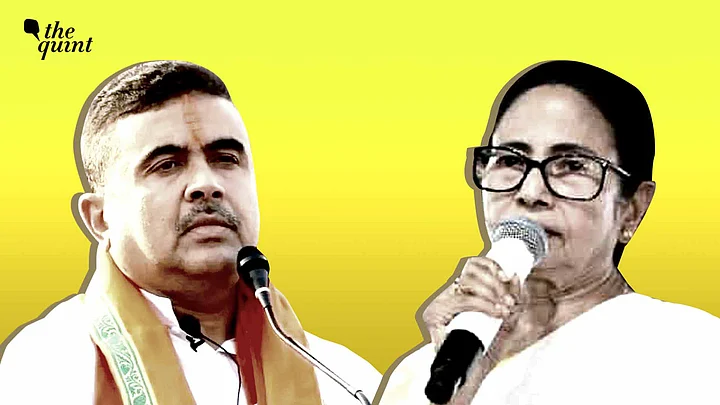
Bhabanipur, which is represented by CM Mamata Banerjee, is expected to be a key battleground in the upcoming elections, where Banerjee will be pitted against the leader of the Opposition (Bharatiya Janata Party) Suvendu Adhikari.
The timing of these alarming findings matters as well. CM Banerjee, has alleged large-scale discrepancies, claiming that the Bharatiya Janata Party (BJP) knows that voters from specific communities are less likely to support their party, and hence they were disproportionately targeted, deleted or placed under the doubt category.
“December 16 was a wake-up call for us. The Election Commission is working under the instructions of the BJP. More names would have been deleted in the supplementary lists after adjudication, but our booth-level workers were alert and did not let that happen,” said a Trinamool leader in Bhabanipur to The Telegraph
An analysis by fact-checking website Alt News had also revealed that in Bhabanipur, the share of voters put under adjudication was higher among Muslims as compared to non-Muslims.
The CM won the Bhabanipur seat by a record margin of 58,832 votes in a bye-poll held in September 2021. But in the 2024 Lok Sabha elections, the Trinamool Congress won only 8,297 votes more than the BJP in the Bhabanipur segment of the Kolkata South parliamentary seat.
While the Election Commission maintains that the revision aims to clean up voter rolls, the Bhabanipur findings have intensified scrutiny over whether the process may be disproportionately impacting certain communities.
