
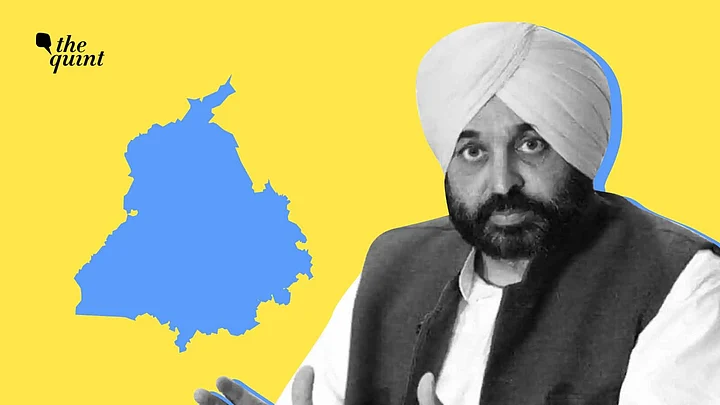
As parties begin preparing for the 2027 Punjab Assembly, the ruling Aam Aadmi Party seems to be showing signs of political fatigue. Its recent rally in Moga saw poor public turnout, with many empty chairs visible at the venue. Several opposition leaders shared these visuals on social media, questioning AAP’s mass connect ahead of the elections
The AAP emerged from street protests and anti-establishment movements, building its political identity around questioning power, transparency, and free expression. Now in its fourth year in power in Punjab, the party now faces scrutiny over whether it can tolerate the same questioning once in power.
Before assuming office, AAP leaders strongly opposed media bans, FIRs against journalists, and the use of police power to silence dissent. However, journalists and independent media organisations in Punjab allege that since AAP came to power in 2022 under Chief Minister Bhagwant Mann, the space for scrutiny has narrowed, with routine questions often framed as issues of law, order, or security.
Of late, relations between the Punjab government and sections of the press appear increasingly strained. The resulting tension raises a broader democratic question: does political power merely change governments, or does it also test the principles they once championed?