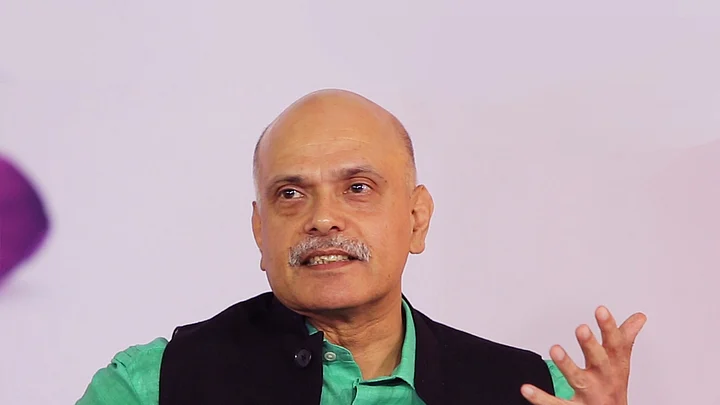
In his piece for Mashable, A Tale of Two Indias: An Emerging Tech Superpower or Market for the Rest of the World, Raghav Bahl, founder of Quintillion Media, looks at India’s developmental trajectory from the perspective of the expanding digital ecosystem.
He refers to the two demographics of India – the “First India” and the “Second India” – and talks about the positions they occupy in the digital ecosystem, and the potential role they would be playing in the near future.
The “First India” refers to the upper and upper-middle classes with the latest and expensive technology at their fingertips, like first world citizens The “Second India” is the newly literate emerging populace, “now at the cusp of joining the global digital community”.
And while Bahl extensively talks about the two Indias, which may seem “decades apart”, he asserts that technological advancement is “slowly but surely closing the gap”.
The digital revolution is well underway in India, but in line with the paradoxical nature of so much of life here, it has the highest internet growth rates for a country of its size but the lowest internet saturation.
He then goes on to delve into the rising penetration of international tech giants in digital India. But, at the same time, Bahl also points out the lack of innovation in the homegrown Indian tech scene in the context of the domination of foreign companies.
Indian companies, the article says, have done a good job of using Western technology for the Indian market. But due to limitations of the Indian market and the financial constraints of the Indian consumers, there are slim chances of domestic companies making it big in the global market.
To highlight this, Bahl gives examples of start-ups such as Flipkart and Ola. “Take the case of on-demand car share apps. Homegrown Ola is still beating Uber in terms of market share, as it is available in more cities in India and has allowed cash payments,“ he says.
But the piece goes on to caution:
However, after complications with the Chinese government, Uber is now focusing more on India…The Uber takeover is being slowed by regional technicalities, but the future isn’t looking bright for homegrown taxi apps in India.
Turning his attention to e-commerce, he writes: “The same goes for Flipkart in its uphill battle to beat Amazon. The Indian e-commerce site grew organically, but since the Indian launch of Amazon and now Amazon Prime, is struggling to keep its head above water.”
The article also talks about the role of multinationals in India.
This is not the first time that foreign entities have placed themselves in India in the name of positive change, but one can only hope this time will be more beneficial on both sides of the table.
Nevertheless, Bahl predicts a promising digital future for the country, supporting his stance by peppering his piece with facts and figures.
Read the full article on Mashable.