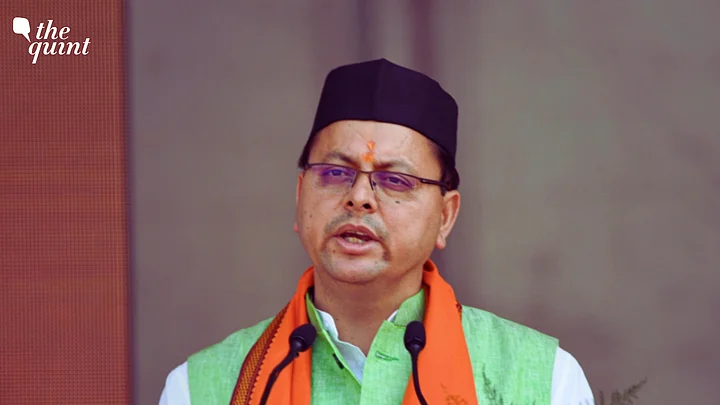
Uttarakhand’s Chief Minister has addressed the ongoing debate regarding the entry of non-Hindus into the Char Dham temples, following demands from religious leaders and temple committees to restrict access. The Char Dham shrines—Badrinath, Kedarnath, Gangotri, and Yamunotri—are significant pilgrimage sites, attracting millions of visitors annually and playing a vital role in the state’s economy. The issue has gained prominence as temple authorities and associated religious bodies have called for formal restrictions on non-Hindu visitors.
As reported by The Hindu, the demand for a ban was raised by both the Gangotri Temple committee and the Badrinath-Kedarnath Temple Committee. The committees have stated their intention to implement the restriction from the upcoming Char Dham Yatra season, which commences after the portals of Gangotri and Yamunotri open in April. The committees argue that the shrines are not tourist destinations and should be reserved for those with faith in Sanatan Dharma.
In response to these calls, the Chief Minister stated that the management and operational decisions of the Char Dham temples are primarily handled by the priests and temple committees. He emphasised that the opinions and wishes of these bodies, including organisations such as the Ganga Sabha and the Badrinath-Kedarnath Temple Committee, must be considered in any decision-making process as coverage revealed.
The Chief Minister further noted that these religious sites hold significant historical and spiritual value, and that existing laws governing their management are under review. He indicated that any future action would be based on the outcome of this review, taking into account the perspectives of all stakeholders involved following statements from the state government.
“These religious sites are our ancient places of worship and those who run and manage these shrines, including members of our religious organisations like Ganga Sabha, Badrinath-Kedarnath Temple Committee, seer community etc. will have their opinions and views on the management of the shrines. These places hold great historical and religious significance, and certain laws were enacted regarding them in the past. We are reviewing those laws and will proceed based on that,” the Chief Minister said.
While the committees have clarified that the proposed ban would apply to the sanctum sanctorum and not necessarily to the entire temple premises, the Chief Minister has not issued any directive or policy change regarding the entry of non-Hindus. Instead, he reiterated the importance of respecting the views of those responsible for the administration of these temples as details emerged.
The debate continues as the temple committees prepare to discuss and potentially implement the proposed restrictions in their upcoming meetings. The state government’s review of relevant laws remains ongoing, with no final decision announced regarding the formalisation of any entry ban according to recent updates.
Note: This article is produced using AI-assisted tools and is based on publicly available information. It has been reviewed by The Quint's editorial team before publishing.