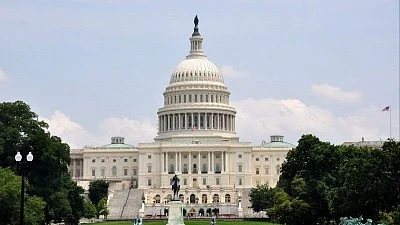
The United States Senate has passed a bill authorising tariffs of up to 100% on countries purchasing Russian oil and gas, with India named among the five targeted economies. The bill, passed by an 86-11 vote, is titled the Lindsey O. Graham Sanctioning Russia and Iran Act of 2026. It now awaits consideration in the House of Representatives, which reconvenes on 31 August. The legislation grants the US President discretionary authority to impose these tariffs, aiming to restrict revenue supporting Russia’s military campaign in Ukraine.
According to Financial Express, the bill targets the top five importers of Russian oil and gas: China, India, Azerbaijan, Hungary, and Slovakia. The measure was introduced following a significant increase in India’s crude imports from Russia, which reached a record 2.78 million barrels per day in July. The bill’s proponents argue that these purchases help sustain Russia’s economy and its war effort in Ukraine.
As reported by The Hindu, the legislation also extends the Iran Sanctions Act of 1996 until 2031, penalising companies investing in Iran’s energy sector. The bill was championed by the late Senator Lindsey Graham and Democrat Richard Blumenthal. After Graham’s death in July, bipartisan support ensured the bill’s passage as a tribute to his legacy as a Ukraine ally. The bill allows for exemptions for countries importing less than 15% of Russia’s total natural gas exports.
Coverage revealed that India, as the second-largest buyer of Russian crude, faces direct threats to its exports to the US. The bill does not mandate automatic tariffs but gives the President authority to impose them, with the actual rate to be determined by the US Trade Representative. The legislation also includes a presidential waiver, requiring certification to Congress and reassessment every 180 days.
As highlighted by Hindustan Times, the bill’s mechanism provides flexibility for both governments. The US administration can set the tariff rate below the 100% ceiling or invoke the waiver on national interest grounds. Indian negotiators have sought competitive advantages in ongoing trade talks, as the new tariffs coincide with efforts to finalise a bilateral trade agreement with the US.
“This bill forces those primary countries keeping Russia’s economy afloat to make a simple yet critical choice – a choice between doing business with America or buying cheap Russian energy,” said Darline Graham, the late senator’s sister, as quoted in multiple sources.
Reporting indicated that White House National Economic Council director Kevin Hassett stated the impact of the bill on India-US trade negotiations would be determined by the negotiators. India’s Ministry of External Affairs reiterated that its energy purchases are guided by national interest and energy security considerations.
As analysis showed, the bill also seeks to impose sanctions on Russian leaders, including President Vladimir Putin, oligarchs, and financial institutions. Some US lawmakers have expressed concern that the bill grants the President broad new tariff powers, which could be used extensively in future trade disputes.
According to Hindustan Times, Indian political leaders have criticised the government’s handling of the situation, arguing that the new US measures could adversely affect India’s economic interests. The bill’s passage has intensified domestic debate over India’s foreign policy and energy security strategy.
“These sledgehammer sanctions and tariffs will stop all who are complicit in this murderous, criminal war of aggression against brave free people,” Senator Richard Blumenthal stated, as cited in several reports.
Details emerged that Ukrainian President Volodymyr Zelenskyy publicly thanked the US Senate for passing the bill, stating it would increase pressure on Russia and support Ukraine’s efforts to end the conflict. The bill’s next steps depend on approval by the House of Representatives and subsequent executive action.
Note: This article is produced using AI-assisted tools and is based on publicly available information. It has been reviewed by The Quint's editorial team before publishing.