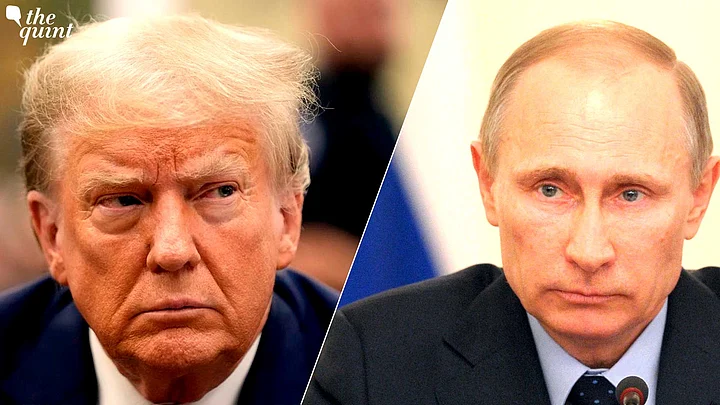
The United States government has extended its sanctions waiver allowing the purchase of Russian oil and petroleum products until 16 May 2026. This decision, announced late on 18 April, reverses an earlier statement by US Treasury Secretary Scott Bessent that the waiver would not be renewed. The extension is expected to benefit major oil-importing countries, including India, amid ongoing disruptions in global energy supplies due to conflict in West Asia.
According to The Indian Express, the US Treasury Department issued a General License permitting the purchase of Russian oil loaded on tankers as of 17 April, with transactions allowed until 16 May. The previous waiver had expired on 11 April. The move is seen as a response to pressure from countries reliant on Russian crude, particularly as supplies from West Asia remain constrained.
As reported by Financial Express, the renewed waiver follows a 30-day exemption granted in March, which was introduced after the escalation of the US-Israeli conflict with Iran triggered a global energy crisis. The new license, General License 134B, specifically authorises the delivery and sale of Russian-origin crude oil and petroleum products loaded on vessels as of 17 April, but excludes transactions involving Iran, Cuba, and North Korea.
As highlighted by Deutsche Welle, the Trump administration’s decision came just two days after publicly stating there would be no extension. The waiver aims to ease global energy prices, which have risen sharply due to the partial closure of the Strait of Hormuz and ongoing conflict in the region. The move has drawn criticism from US lawmakers, who argue that it undermines efforts to restrict Russia’s oil revenue during the war in Ukraine.
As noted in an article by Scroll, the extension allows countries such as India to continue purchasing Russian oil without facing secondary US sanctions. The earlier waiver, granted in March, had enabled Indian refiners to secure additional Russian oil supplies amid global disruptions, with reports indicating orders of around 30 million barrels during the period. India, which imports 80% to 85% of its energy requirements, remains a significant beneficiary of the waiver.
“We will not be renewing the general license on Russian oil and we will not be renewing the general license on Iranian oil. That was oil that was on the water prior to March 11. So all that has been used,” Treasury Secretary Scott Bessent had stated before the reversal.
Analysis showed that the extension of the waiver could temporarily boost global oil supplies but has not prevented petroleum prices from spiking. The partial closure of the Strait of Hormuz, through which about 20% of the world’s oil and gas was shipped daily before the war, continues to impact supply chains and pricing.
India’s imports of Russian crude nearly doubled to 2 million barrels per day in March, accounting for 44.4% of its total oil imports, coverage revealed. The waiver has allowed Indian refiners to take deliveries even on tankers sanctioned by the US and to deal directly with Russian companies under sanctions, such as Rosneft and Lukoil.
European leaders have expressed concern that the US waiver could complicate efforts to deprive Russia of revenue for its war in Ukraine, as details emerged. The European Commission President Ursula von der Leyen stated that it is not the time to relax sanctions against Russia, highlighting the divergence in approaches between Washington and its allies.
“The move is aimed at easing global energy prices, which have increased amid the conflict in West Asia,” a US Treasury Department statement noted.
In addition to the Russian oil waiver, the US has also extended a temporary operating license for Serbia’s NIS oil firm, allowing continued imports and avoiding a refinery shutdown, reporting indicated. The extension is valid until mid-June and is part of ongoing negotiations for a change in the company’s ownership structure to reduce Russian control.
Note: This article is produced using AI-assisted tools and is based on publicly available information. It has been reviewed by The Quint's editorial team before publishing.