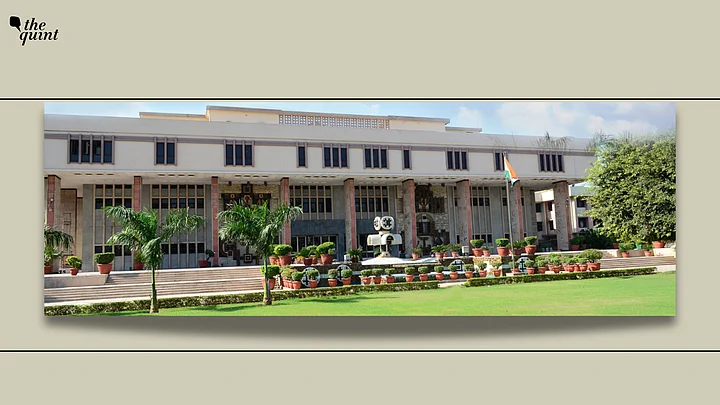
The Delhi High Court has ruled that universities cannot restrict peaceful protest by students solely because their views differ from the institution’s ideology. The court set aside the expulsion of a student from Dr B.R. Ambedkar University, finding the disciplinary action disproportionate and unsustainable in law. The judgment emphasised that peaceful dissent and protest are integral to the educational environment and cannot be treated as misconduct if conducted without violence or serious disruption.
According to Scroll, Justice Jasmeet Singh delivered the order on 13 March 2026, allowing the student’s petition against disciplinary measures imposed in June and August of the previous year. The court observed that a university’s role extends beyond classroom instruction, encompassing the cultivation of independent thought, critical inquiry, and the ability to question prevailing norms.
As reported by Live Law, the court stated, “A university is not just a place where students just attend classes and complete courses. It is also a space where students are expected to learn and inculcate independent thought processes, ability to ask questions, and engage in critical thinking.” The judgment further clarified that peaceful protest and non-violent dissent are natural components of such an environment.
The court found that the student, a global studies major, had faced ragging and gender-insensitive remarks, leading to self-harm. She subsequently participated in complaints and protests regarding the incident. After being suspended, she was later expelled for allegedly joining a sit-down protest, though she denied active participation, stating she was only present at the site to meet a friend as coverage revealed.
While examining the facts, the court noted there was no evidence that the protest disrupted university operations or interfered with other students’ academic activities. The court also clarified that any punishment for violating a court order must be determined by the judiciary, not the university administration as analysis showed.
“A university that accepts only obedience and discourages protests and criticism would fail in its broader educational role,” the court stated. “The role of the university is not to suppress every form of dissent, but to ensure that such expression is answered and catered to.”
The judgment highlighted that the expulsion was a “highly disproportionate” response to the alleged conduct. The court held that even if the student had participated in a peaceful sit-down protest, such action could not justify expulsion, especially when the protest did not impede university functioning as details emerged.
In its order, the court permitted the student to resume her studies from the third semester in July, treating the loss of one academic year as sufficient punishment. The court reiterated that universities must foster an atmosphere where students feel free to express their views and participate in discussions on academic or public issues as further findings indicated.
“It is expected that the University would not suppress peaceful protests, as long as it does not interfere in the functioning of the University and academic pursuits of the other students,” the judgment added.
The decision underscores the judiciary’s stance that peaceful protest and dissent are protected under Articles 19(1)(a) and 19(1)(b) of the Constitution of India, and that universities must respect these rights in their disciplinary processes as legal review confirmed.
Note: This article is produced using AI-assisted tools and is based on publicly available information. It has been reviewed by The Quint's editorial team before publishing.