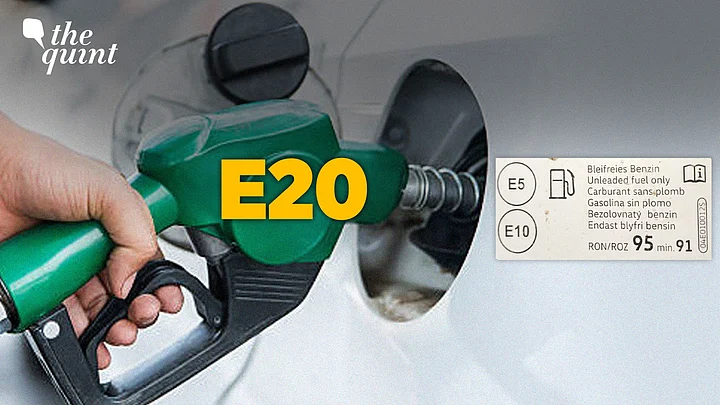
The Government of India has mandated that, effective 1 April 2026, all States and Union Territories must sell petrol blended with up to 20% ethanol and a minimum Research Octane Number (RON) of 95. The directive, issued by the oil ministry, applies to all oil companies and is intended to standardise fuel quality and promote the use of renewable resources across the country.
According to The Hindu, the official notification was released on 17 February 2026. The order specifies that petrol sold nationwide must contain up to 20% ethanol, conform to Bureau of Indian Standards specifications, and have a minimum RON of 95. The government retains the authority to grant exceptions in special circumstances, for specific regions, and for limited periods.
Ethanol, a renewable fuel produced from sugarcane, maize, or grain, is domestically sourced and burns cleaner than pure petrol as coverage revealed. The blending mandate aims to reduce oil imports, lower emissions, and support Indian farmers by increasing demand for agricultural produce.
Industry officials have indicated that most vehicles manufactured in India from 2023 to 2025 are designed to operate on E20 fuel, and no significant operational issues are anticipated for these models following recent statements. However, older vehicles may experience a slight reduction in mileage, estimated at 3–7%, and may see increased wear on rubber and plastic components.
The insistence on a minimum RON 95 is intended to prevent engine knocking and potential engine damage. RON, or Research Octane Number, measures a fuel’s resistance to pre-ignition, which can cause loss of power and long-term engine harm as analysis showed. Ethanol’s naturally high octane value, around 108 RON, increases the knock resistance of blended petrol.
The government advanced the 20% ethanol blending target to 2025–26 from the original 2030 deadline after achieving 10% blending in June 2022, five months ahead of schedule. Most fuel stations in India now offer E20 petrol, reflecting the accelerated rollout as reporting indicated.
“Ethanol is made from sugarcane, maize, or grain. It is renewable, domestically produced and has cleaner burning than pure petrol,” the notification explained.
Since the 2014–15 financial year, India has saved more than ₹1.40 lakh crore in foreign exchange by substituting petrol with ethanol-blended fuel as details emerged. The policy is also expected to provide a stable market for surplus agricultural produce, benefiting the rural economy.
While the technical transition is expected to be smooth for newer vehicles, industry sources have noted that older vehicles may require monitoring for component wear and fuel efficiency changes as further information confirmed. The government’s notification emphasises that exceptions to the mandate will be considered only in special situations and for limited durations.
Note: This article is produced using AI-assisted tools and is based on publicly available information. It has been reviewed by The Quint's editorial team before publishing.