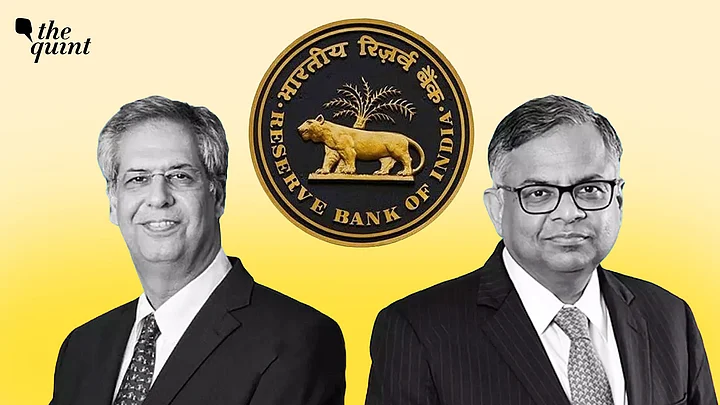
Tata Sons has filed caveats in both the Bombay High Court and the Supreme Court following the court’s interim order on 27 November 2026. The order allowed Tata Sons to proceed with its scheduled board meeting on 30 November, but stipulated that any resolutions passed would be subject to the court’s final decision. The legal dispute centres on the reappointment of N Chandrasekaran as executive chairman and the use of a casting vote during a previous board meeting.
According to The Indian Express, Tata Sons filed the caveats late on 27 November to ensure it would be heard before any order is passed on petitions or applications by Tata Trusts. The caveats cover proceedings before both the division bench of the Bombay High Court and the Supreme Court, as Tata Trusts may challenge the single-judge order that permitted the board meeting to proceed.
As reported by The Hindu, the Sir Dorabji Tata Trust and R.D. Tata Trust had sought to defer the meeting and prevent N Chandrasekaran from exercising his casting vote. The Bombay High Court, however, declined to grant immediate relief, stating that the meeting could go ahead as scheduled, but its outcome would remain subject to the court’s final orders.
Further details from the proceedings indicate that the trusts challenged the validity of the September 17 board resolution reappointing Chandrasekaran, arguing it lacked the required affirmative vote under Article 121 of Tata Sons’ Articles of Association. The trusts also sought damages and interim protection, including a stay on the use of the casting vote and a deferment of the board meeting.
“We are not granting any relief today. Let the meeting go on as scheduled and everything will be subject to the outcome,” Justice Abhay Ahuja stated, clarifying that decisions taken by the Tata Sons board would be subject to further orders of the court.
Legal arguments presented in court included Tata Trusts’ contention that the tie-breaking vote violated the Articles of Association, which require a majority of trust-nominated directors to approve such resolutions. Tata Sons’ counsel countered that the deadlock was created by the trusts themselves, as they had nominated only two directors, leading to a split vote.
The court’s order specified that Tata Sons and other respondents must submit reply affidavits to the suits filed by the trusts, with the next hearing scheduled for January 2027. The court reiterated that any outcome of the 30 November board meeting would be provisional, pending its final decision.
“The two trustees (SDTT and RDTT) cannot paralyse the company,” Tata Sons’ counsel argued, emphasising the need for the board meeting to proceed in compliance with regulatory deadlines.
Additional context provided by legal sources highlights that the dispute also involves the process to list Tata Sons, as mandated by the Reserve Bank of India. The trusts have expressed concerns about the manner of voting and the implications for their majority stake in the company.
Analysis showed that the court’s refusal to grant interim relief allows Tata Sons to move forward with its agenda, but all decisions remain conditional on the outcome of ongoing legal proceedings. The matter continues to draw significant attention due to its impact on corporate governance within one of India’s largest conglomerates.
“Any resolution passed would be subject to the orders of the High Court,” the court reiterated, underscoring the provisional nature of all board decisions until the legal dispute is resolved.
Note: This article is produced using AI-assisted tools and is based on publicly available information. It has been reviewed by The Quint's editorial team before publishing.