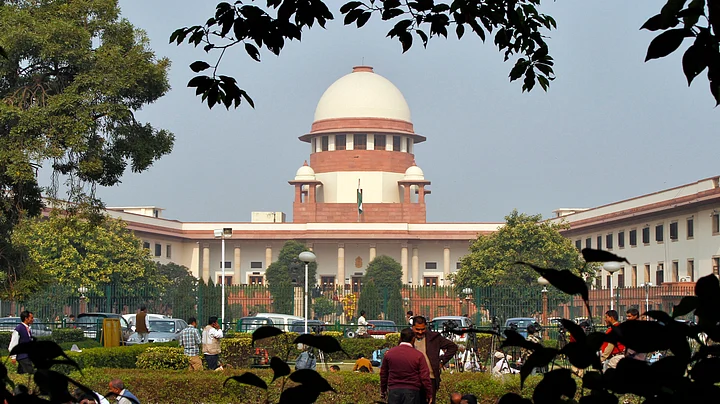
The Supreme Court of India is currently hearing petitions related to the Special Intensive Revision (SIR) of electoral rolls in West Bengal. The bench, led by Chief Justice of India Surya Kant, is addressing concerns raised by various parties regarding the transparency and fairness of the SIR process. The matter has drawn significant attention due to allegations of procedural irregularities and the potential impact on upcoming assembly elections.
According to The Indian Express, the Supreme Court bench, which includes Justices Joymalya Bagchi and NV Anjaria, reiterated that no impediment would be permitted in the conduct of the SIR. Chief Justice Surya Kant emphasised that the process must be understood and respected by all states, underlining the judiciary’s commitment to ensuring a transparent and lawful revision of electoral rolls.
As reported by Live Law, one of the petitioners, Chief Minister Mamata Banerjee, argued that the SIR process was leading to mass disenfranchisement and raised objections to the appointment of micro-observers from outside the state. The Election Commission responded that the appointment of micro-observers was necessitated by the state’s lack of cooperation in providing officers for the SIR process.
During the proceedings, the Supreme Court directed the state of West Bengal to submit a list of Group B officers who could be spared for the SIR process as coverage revealed. The Court had previously issued directions to the Election Commission of India to ensure transparent verification of individuals listed under logical discrepancies, following complaints from Trinamool Congress leaders.
The SIR process has been a point of contention, with allegations that it is being used primarily for deletion rather than inclusion of names in the electoral rolls. The Supreme Court, however, maintained that the process must proceed without obstruction, and that all parties must cooperate to uphold the integrity of the electoral system as analysis showed.
“We won’t allow any impediment in SIR. It must be understood by all states,” Chief Justice Surya Kant stated during the hearing.
In previous hearings, the Court addressed concerns regarding the publication of the ‘logical discrepancy’ list, which petitioners claimed resulted in notices being served for minor errors such as name-spelling mistakes. The Election Commission maintained that these measures were necessary to ensure accuracy and prevent irregularities in the electoral rolls as details emerged.
Arguments also focused on the broader implications of the SIR process for electoral integrity in West Bengal. The Supreme Court’s directions have sought to balance the need for thorough verification with the protection of voters’ rights, making it clear that the judiciary will not tolerate any attempts to undermine the process as further updates indicated.
“The process must be transparent and fair, and all stakeholders are expected to act in good faith,” the bench observed.
The matter remains under active consideration, with the Supreme Court scheduled to continue hearings and monitor compliance with its directions. The outcome of these proceedings is expected to have a significant impact on the conduct of elections in West Bengal and potentially set a precedent for similar processes in other states as proceedings continued.
Note: This article is produced using AI-assisted tools and is based on publicly available information. It has been reviewed by The Quint's editorial team before publishing.