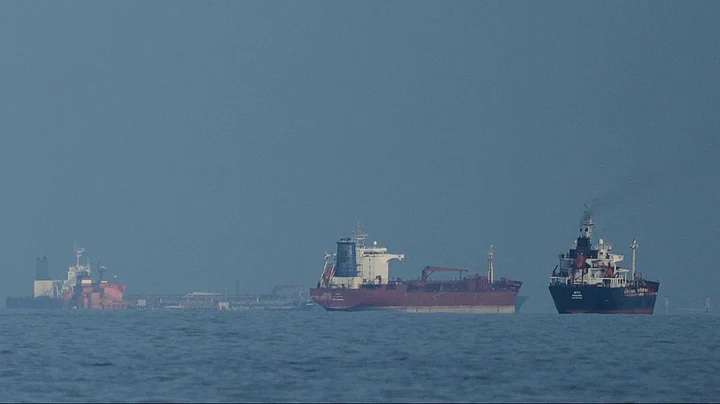
The Strait of Hormuz has remained effectively closed to most commercial shipping since early March 2026, following intensified conflict between Iran, the United States, and their respective allies. The closure has disrupted a key global energy corridor, with oil prices surging and thousands of seafarers stranded on vessels west of the strait. Military operations and diplomatic negotiations are ongoing, but no timeline for reopening has been announced.
According to Hindustan Times, the United States has deployed A-10 warplanes and Apache helicopters to target Iranian naval vessels and drones in an effort to reduce threats and eventually restore safe passage. The Pentagon has described this as a multistage operation, with the destruction of over 120 Iranian naval vessels reported. Despite these actions, U.S. officials estimate that it could take weeks to sufficiently lower the threat level for commercial shipping.
As highlighted by Financial Express, Iran has begun allowing limited vessel movement through a designated “safe corridor,” but only after approval and, in at least one documented case, the payment of a $2 million fee. The Islamic Revolutionary Guard Corps is overseeing a registration and vetting process, with ships being visually inspected near Iran’s coastline before being permitted to proceed. Several governments, including India and Pakistan, are in direct talks with Iranian officials to secure passage for their vessels.
Six major international powers—Britain, France, Germany, Italy, the Netherlands, and Japan—have expressed readiness to contribute to efforts ensuring safe passage through the strait as coverage revealed. However, these nations have not committed to immediate military involvement, citing the high level of risk and ongoing hostilities. The joint statement condemned Iran’s attacks on commercial vessels and civilian infrastructure, calling for an immediate halt to such actions.
“We call on Iran to cease immediately its threats, laying of mines, drone and missile attacks and other attempts to block the Strait to commercial shipping,” the joint statement read.
Diplomatic efforts have also included a joint statement by European nations, Japan, and Canada, who reiterated their willingness to join appropriate initiatives to stabilise energy markets and ensure maritime security following statements. These countries emphasised the importance of freedom of navigation under international law and called for support to the most affected nations through international institutions.
U.S. military officials have confirmed the destruction of 44 Iranian mine-laying vessels, aiming to prevent further mining of the strait and reduce the risk to commercial and allied naval traffic as reporting indicated. The U.S. has also targeted mine storage facilities and naval ammunition depots along Iran’s southern coast, with ongoing operations involving both air and ground assets.
Japan’s Prime Minister Sanae Takaichi has reaffirmed her country’s alliance with U.S. President Donald Trump, discussing Japan’s potential contributions to securing the strait during a recent White House meeting as analysis showed. Japan’s involvement is constrained by its constitution, but officials have indicated possible support in minesweeping and maritime security operations.
“Ensuring the safety of the Strait of Hormuz is of the utmost importance,” Prime Minister Takaichi stated after her meeting with President Trump.
European Union leaders have called for the reopening of the Strait of Hormuz and a halt to strikes on energy and water infrastructure, citing the economic impact of the closure and rising energy prices at the summit’s conclusion. While the EU has not committed military assets, several member states have signaled willingness to participate in future efforts to secure the shipping lane once hostilities subside.
U.S. President Donald Trump has urged NATO and other world powers to assist in reopening the strait, but most allies have so far declined direct military involvement, instead focusing on preparatory planning and diplomatic measures as recent developments confirmed. The situation remains fluid, with ongoing negotiations and military operations shaping the prospects for restoring normal maritime traffic through the Strait of Hormuz.
Note: This article is produced using AI-assisted tools and is based on publicly available information. It has been reviewed by The Quint's editorial team before publishing.