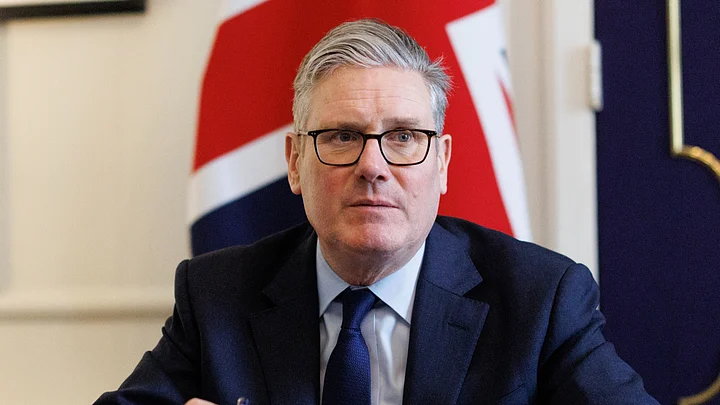
Keir Starmer is under increasing pressure to resign as Prime Minister following the controversy surrounding his appointment of Peter Mandelson as US ambassador. The crisis intensified after it was revealed that Mandelson was allowed to serve despite failing a security vetting process. Starmer is scheduled to address the House of Commons, while sacked civil servant Olly Robbins is expected to present his account of the events.
According to The Guardian, the next 48 hours are critical for Starmer’s premiership as he faces scrutiny over why Mandelson was appointed despite known risks. Mandelson’s previous resignations as a Labour minister and his links to Jeffrey Epstein and China were public knowledge prior to the appointment.
The controversy escalated after United Kingdom Security Vetting (UKSV) recommended denying Mandelson “developed vetting” clearance in January 2025, but this advice was overruled by the Foreign Office. Starmer has stated it was “unforgivable” that he was not informed about the denial of clearance, raising questions about his awareness of the vetting issues as coverage revealed.
Further complications arose when the Foreign Office informed Mandelson that the Washington role required an even higher level of clearance, DV+STRAP, which grants access to highly sensitive intelligence material. It remains unclear whether Mandelson received this clearance, and if so, how it was granted after the initial denial. The situation has prompted questions about whether Starmer was aware of any risk mitigations or restrictions placed on Mandelson’s access to sensitive information in subsequent analysis.
“Not only is there no duty to disclose the details of a vetting case, there is a duty not to disclose them,” said Ciaran Martin, a former senior civil servant, highlighting the confidentiality of the vetting process.
Amid the ongoing crisis, Starmer is expected to be questioned in parliament about whether he has now reviewed the full details of Mandelson’s failed vetting and what he intends to disclose to MPs. The Commons previously forced the government to release all relevant papers, with sensitive documents to be provided to the parliamentary intelligence and security committee. Disputes have arisen over whether these documents have been shared with the committee, and Starmer will need to clarify the status of their release as reporting indicated.
Starmer previously told journalists that security vetting was conducted independently and that due diligence was followed for the appointment. However, it has since emerged that senior officials, including the cabinet secretary and the Cabinet Office’s permanent secretary, were aware of the failed vetting since March but did not inform Starmer. This has led to further questions about internal communication and accountability within the government as details emerged.
The fallout from the appointment has already resulted in the resignation of Starmer’s chief of staff, Morgan McSweeney, and the dismissal of Olly Robbins. Opposition leaders have accused Starmer of attempting to shift blame onto others for a decision that ultimately rested with him. Discontent among civil servants has also grown, with some expressing frustration over the handling of the situation following recent developments.
“Full due process was followed during this appointment, as it is with all ambassadors,” Starmer told the Commons, a statement now under intense scrutiny.
Starmer’s response to the crisis, including his timing in informing parliament and his handling of internal advice, will be closely watched in the coming days. The outcome of his Commons statement and Robbins’ testimony may determine whether calls for his resignation intensify or subside as further scrutiny continues.
Note: This article is produced using AI-assisted tools and is based on publicly available information. It has been reviewed by The Quint's editorial team before publishing.