On 10 October 2026, a major protest is scheduled at Jantar Mantar in Delhi, led by Cockroach Janta Party (CJP) co-convener Saurav Das and All India Students’ Association (AISA) president Neha Bora. The demonstration aims to demand the resignation of Chief Election Commissioner Gyanesh Kumar, a freeze on the Special Intensive Revision (SIR) of electoral rolls, and reforms to the Election Commission appointments process. Organisers have formally notified Delhi Police and expect participation from multiple student and civil society groups.
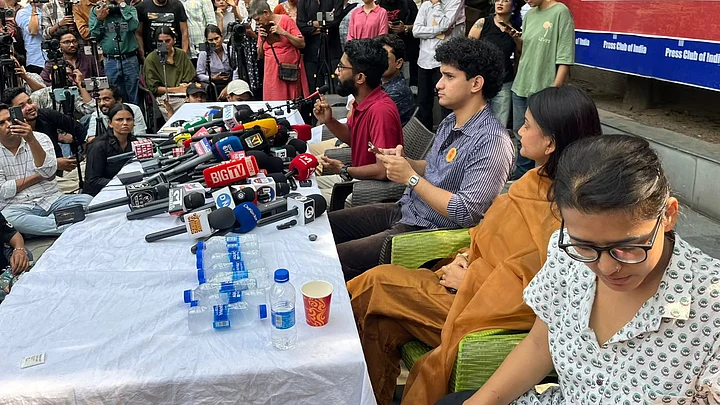
According to Hindustan Times, Saurav Das held a press conference confirming that the CJP submitted a formal intimation letter to Delhi Police regarding the protest. Das stated that all procedural requirements were completed, including an undertaking to maintain law and order, and called on supporters nationwide to join the protest, describing it as a “long fight” for electoral reforms.
As highlighted by The Hindu, security measures were increased at Parliament Street police station ahead of Das’s visit to submit the intimation letter. Das emphasised the constitutional right to peaceful assembly and reiterated that the protest would proceed at the designated site, Jantar Mantar, with the expectation of cooperation from authorities.
In the press conference, Neha Bora, representing AISA, called for unity among student organisations and political groups, urging them to join the protest. She stated, “We are all on one side. Student organisations, INDIA bloc and others. On the other side, only ECI and BJP are there.” Bora further appealed to those aligned with the Bharatiya Janata Party to reconsider their stance, asserting the importance of collective action for electoral integrity.
“Pack your bags. It will be a long fight,” Saurav Das declared, urging nationwide mobilisation for the protest and underscoring the non-negotiable nature of their demands.
Coverage revealed that CJP members in Mumbai, Nagpur, and Chandrapur reported police pressure to abstain from attending the protest. Some members alleged that police in plain clothes attended meetings, recorded names, and issued warnings of possible FIRs if they participated in the Delhi demonstration. Coordinators in multiple cities described receiving calls from local police stations inquiring about their plans for 10 October.
Organisers have outlined three primary demands for the protest: the resignation and criminal prosecution of Gyanesh Kumar, a freeze on SIR and restoration of the January 2025 voters list, and the repeal of the 2023 Election Commission appointments law in favour of an independent selection process. These demands were reiterated during the press conference and in public statements by both Das and Bora.
Further details emerged as details emerged that the protest is part of a broader series of demonstrations against the Election Commission’s recent actions, with several student and youth organisations confirming their participation. The focus remains on peaceful assembly and adherence to legal protocols, despite reports of increased police scrutiny and preventive measures in various cities.
“We have a right to protest peacefully. We have designated sites to protest. We will exercise that right, no matter what,” Saurav Das told mediapersons, reaffirming the organisers’ commitment to lawful demonstration.
At the press conference, organisers also addressed concerns about police permissions and the right to protest, referencing previous instances where student groups, including those led by Neha Bora, faced detentions when permissions were denied. Reporting indicated that Bora’s recent participation in campus events has drawn administrative scrutiny, but she continues to advocate for student rights and electoral transparency.
Multiple student and civil society groups have announced their intention to join the 10 October protest, with organisers maintaining that all actions will remain within the bounds of the law as analysis showed. The protest is expected to draw significant attention to the ongoing debate over electoral reforms and the functioning of the Election Commission.
Note: This article is produced using AI-assisted tools and is based on publicly available information. It has been reviewed by The Quint's editorial team before publishing.