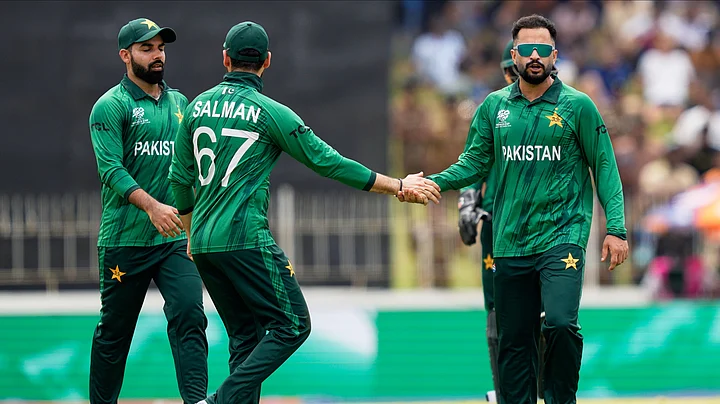
Pakistan will play against India in the ICC Men’s T20 World Cup on 15 February 2026 in Colombo, following a reversal of its earlier decision to boycott the match. The decision came after a week of negotiations involving the Pakistan government, the Pakistan Cricket Board, the International Cricket Council, and cricket boards from Sri Lanka and Bangladesh. The match is set to proceed as scheduled, ending uncertainty over one of the tournament’s most anticipated fixtures.
“In view of the outcomes achieved in multilateral discussions, as well as the request of friendly countries, the Government of Pakistan hereby directs the Pakistan National Cricket Team to take the field on February 15, 2026, for its scheduled fixture in the ICC Men's T20 World Cup,” the Pakistan government stated.
According to Hindustan Times, the Pakistan government’s official statement cited outcomes from multilateral discussions and requests from friendly countries as reasons for allowing the team to participate. The statement emphasised the decision was made to protect the spirit of cricket and support the continuity of the sport among all participating nations.
As reported by Deutsche Welle, Pakistan’s initial boycott was in solidarity with Bangladesh, which withdrew from the tournament over security concerns about playing in India. The ICC replaced Bangladesh with Scotland, prompting Pakistan to protest by refusing to play India.
The reversal followed a phone call between Prime Minister Shehbaz Sharif and Sri Lankan President Anura Kumara Dissanayake, as well as appeals from the Bangladesh Cricket Board.
As highlighted by The Indian Express, Pakistan’s agreement to play prevented a potential $174 million revenue loss for the ICC, which would have resulted from lost broadcast, sponsorship, and gate receipts. The financial stakes underscored the importance of the fixture for the global cricket ecosystem.
Statements from Sri Lanka confirmed that President Dissanayake thanked Prime Minister Shehbaz Sharif for ensuring the match would proceed, highlighting the financial and sporting significance for Sri Lanka as co-host. The Sri Lankan cricket board had previously warned of severe financial losses if the match was cancelled.
Back-channel negotiations were crucial in resolving the standoff, with ICC officials, PCB chief Mohsin Naqvi, and BCB representatives meeting in Lahore. The ICC reportedly rejected several demands from the PCB, including a greater revenue share and the revival of bilateral series with India, but did agree to award Bangladesh hosting rights for a future ICC event.
ICC’s response emphasised that all members are expected to respect their commitments to ensure the success of ICC events. The ICC also confirmed that Bangladesh would not face sanctions for its withdrawal, and that the dialogue with PCB and BCB was part of a broader engagement to maintain unity and integrity in the sport.
Further details clarified the ICC’s position on Bangladesh, stating that no financial, sporting, or administrative penalties would be imposed. The ICC reaffirmed its commitment to supporting cricket’s growth in Bangladesh and facilitating future opportunities for the country.
“Our focus continues to be on working closely with key stakeholders including BCB to ensure the sport grows sustainably in the country and that future opportunities for its players and fans are strengthened,” ICC Chief Executive Sanjog Gupta said.
Note: This article is produced using AI-assisted tools and is based on publicly available information. It has been reviewed by The Quint's editorial team before publishing.