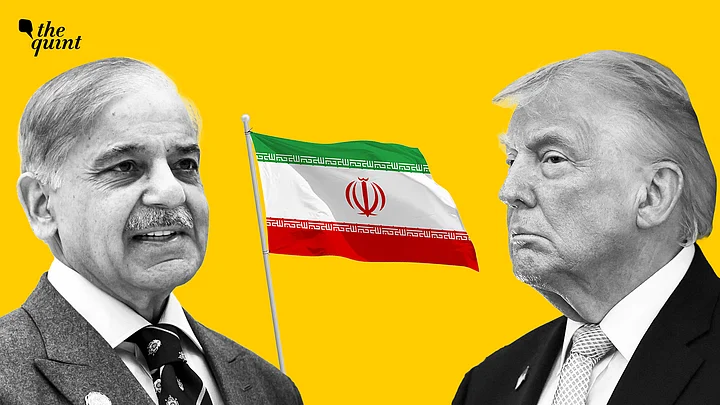
On 17 June 2026, the United States and Iran signed a memorandum of understanding to end hostilities, with Pakistan acting as a key mediator. The agreement, signed by US President Donald Trump and Iranian President Masoud Pezeshkian, mandates the immediate reopening of the Strait of Hormuz and the lifting of the US naval blockade on Iranian ports. The deal also initiates a 60-day negotiation period focused on Iran’s nuclear programme and related sanctions relief.
According to Hindustan Times, Pakistan Prime Minister Shehbaz Sharif confirmed that the agreement would enter into force immediately, with an official signing ceremony scheduled in Switzerland. The memorandum requires Iran to dilute its stockpile of highly enriched uranium and allows toll-free passage through the Strait of Hormuz for two months, while the US waives but does not permanently end sanctions on Iran.
As reported by Deccan Herald, the Islamabad Memorandum of Understanding was signed electronically by both presidents. The agreement stipulates that Tehran will reopen the Strait of Hormuz instantly and the American blockade will end immediately. The deal also sets a 60-day window for further negotiations on Iran’s nuclear programme, with the possibility of resuming hostilities if talks fail.
As highlighted by The Guardian, the deal has received mixed reactions internationally. G7 leaders and Pakistan welcomed the agreement, viewing it as a step towards preventing Iran from acquiring nuclear weapons. However, there was significant criticism in Israel and among US Republicans, who questioned the effectiveness of the sanctions relief and the removal of economic pressure on Iran. The memorandum grants Iran the ability to export oil and access banking services, while negotiations on its nuclear programme continue.
“I am honoured to announce that the historic ‘Islamabad Memorandum of Understanding’ has been electronically signed today between the United States of America and the Islamic Republic of Iran,” said Pakistan Prime Minister Shehbaz Sharif.
Analysis showed that the reopening of the Strait of Hormuz is expected to restore global oil trade to pre-war levels, easing economic tensions that had escalated since February. The waterway is responsible for about a quarter of the world’s oil trade, and its closure had caused significant disruptions in energy markets.
The agreement includes a provision for a $300 billion fund to support Iran’s reconstruction, with details indicating that the funding will be sourced from Gulf nations. Coverage revealed that US Vice President JD Vance stated the investments would be managed by Gulf countries, contingent on Iran’s compliance with the agreement’s terms.
Oil prices responded to the deal by declining, as reporting indicated that energy markets anticipated a rapid return of Iranian oil to the global market. The International Energy Agency forecasted that the supply could outstrip demand in 2027 if the agreement is fully implemented and the Strait of Hormuz remains open.
“The sell-off extended as energy markets continued to aggressively price in a faster-than-expected return of Iranian barrels following the recent U.S.-Iran memorandum of understanding,” said IG market analyst Tony Sycamore.
While the deal marks a significant diplomatic achievement, further details emerged that some of the original US objectives, such as regime change in Iran and permanent control over the Strait of Hormuz, were not included in the final agreement. The memorandum focuses on immediate de-escalation and economic recovery, leaving contentious issues for future negotiations.
The agreement’s implementation will be closely monitored over the next 60 days, with stakeholders assessing compliance and the potential for a lasting resolution. The role of Pakistan as mediator has been widely acknowledged, and the reopening of the Strait of Hormuz is expected to have a stabilising effect on global energy markets as details emerged.
Note: This article is produced using AI-assisted tools and is based on publicly available information. It has been reviewed by The Quint's editorial team before publishing.