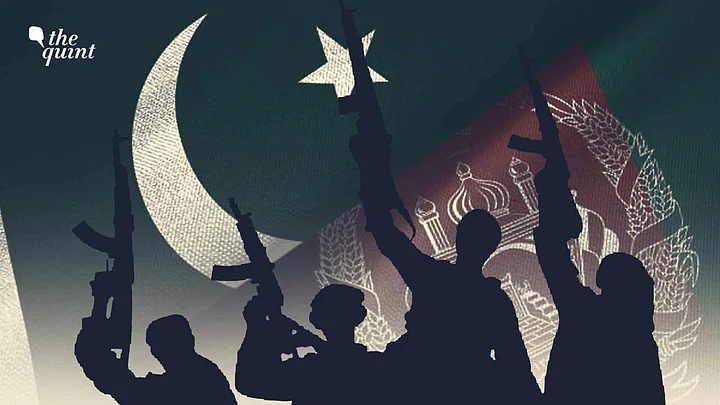
On 27 February 2026, Pakistan launched airstrikes on Afghanistan’s capital Kabul and other major cities, declaring an “open war” after months of escalating border clashes. The military operations, which included Operation Ghazab lil Haq, resulted in significant casualties on both sides.
Afghanistan responded with retaliatory attacks, claiming to have captured Pakistani military posts and inflicted heavy losses. The conflict follows a breakdown in ceasefire negotiations and ongoing disputes over militant activity along the Durand Line.
According to The Hindu, Pakistan’s Defence Minister Khawaja Asif announced an “all-out confrontation” with Afghanistan’s Taliban government, stating, “Our patience has reached its limit. Now it is open war between us and you.”
Airstrikes targeted Kabul, Kandahar, and Paktia, with jets and explosions reported in these cities. The Taliban government confirmed the strikes and reported casualties among Afghan soldiers and civilians near the Torkham border crossing.
As reported by Hindustan Times, Afghanistan’s Ministry of Defence claimed that 55 Pakistani soldiers were killed and 19 posts were captured during a four-hour retaliatory operation along the Durand Line. Pakistan disputed these figures, with Information Minister Attaullah Tarar stating only two Pakistani soldiers were killed and three wounded, while asserting that 133 Afghan Taliban fighters were killed in the Pakistani operation.
As highlighted by The Guardian, the violence has undermined a Qatar-mediated ceasefire established in 2025. Both sides accuse each other of harbouring militant groups responsible for attacks across the border. The United Nations Secretary-General António Guterres urged both countries to protect civilians and resolve differences through diplomacy.
Efforts to mediate the conflict have so far failed as coverage revealed, with multiple rounds of negotiations and ceasefire attempts not producing a lasting agreement. The clashes have resulted in the closure of land border crossings since October 2025, affecting civilians and refugees on both sides.
“Pakistan’s armed forces have given a befitting response to the Afghan Taliban’s open aggression,” said Interior Minister Mohsin Naqvi, as quoted in several official statements.
Afghanistan’s military stated that its operations were in response to repeated Pakistani airstrikes, which Kabul described as violations of sovereignty and responsible for civilian casualties according to analysis. Afghan officials reported that a refugee camp near Torkham was hit, resulting in injuries to civilians, including women and children.
Pakistan’s government maintains that its airstrikes targeted militant camps, particularly those of the Tehrik-i-Taliban Pakistan (TTP), which Islamabad accuses Kabul of sheltering as reporting indicated. Afghanistan denies these allegations and asserts that Pakistani strikes have hit civilian areas, including homes and religious schools.
Heavy fighting was reported along the border in multiple provinces, with both sides claiming to have inflicted significant losses on the other at the end of the day. The Taliban government released footage of military vehicles and gunfire, though independent verification remains limited.
“Pakistan will take all necessary measures to ensure its territorial integrity and the safety and security of its citizens,” stated Pakistan’s Information Ministry in an official communication.
Diplomatic efforts, including those mediated by Qatar, Turkey, and Saudi Arabia, have not succeeded in halting the violence as further updates confirmed. The Durand Line, a 2,611-kilometre border, remains a longstanding source of dispute, with Afghanistan refusing to formally recognise it as an international boundary.
“TTP does not have a presence in Afghanistan. These are Pakistan’s internal problems. Afghan soil is not used against anyone,” said Taliban spokesperson Zabihullah Mujahid, rejecting Islamabad’s claims.
Note: This article is produced using AI-assisted tools and is based on publicly available information. It has been reviewed by The Quint's editorial team before publishing.