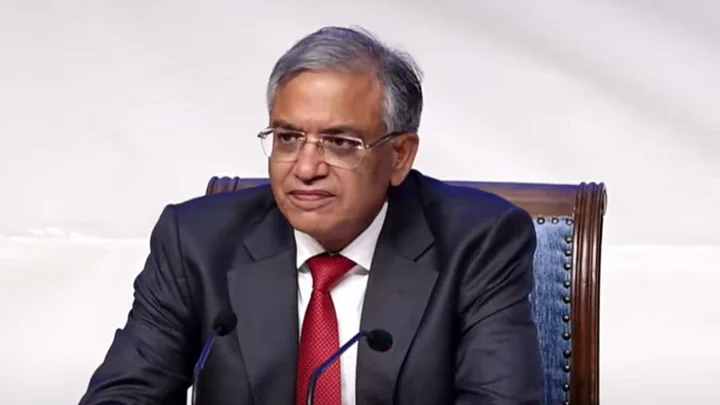
On 13 March 2026, opposition parties led by the Trinamool Congress submitted an impeachment motion against Chief Election Commissioner Gyanesh Kumar in both the Lok Sabha and the Rajya Sabha. The motion was signed by at least 120 Lok Sabha members and 60 Rajya Sabha members, meeting the constitutional threshold required for such a notice. The charges against Gyanesh Kumar include allegations of partisan conduct, obstruction of electoral fraud investigations, and mass disenfranchisement of voters.
According to Hindustan Times, the impeachment notice lists seven specific charges. These include claims of discriminatory actions in office and deliberate obstruction of probes into alleged electoral fraud. The opposition has particularly criticised the Special Intensive Revision (SIR) of electoral rolls, asserting that the process was manipulated to benefit the ruling party and disenfranchise genuine voters, especially in West Bengal.
As noted in an article by The Indian Express, the impeachment motion is viewed as a symbolic protest, given the opposition's lack of sufficient numbers to carry the motion through Parliament. The editorial highlights that the opposition's grievances stem from perceived bias in the Election Commission's functioning, particularly under Gyanesh Kumar's leadership, and references the SIR exercise as a focal point of contention.
Trinamool Congress leaders have stated that the decision to bring the impeachment motion was made collectively, with support from Congress, Samajwadi Party, DMK, and NCP (SCP) members. The process for removing the Chief Election Commissioner is governed by Article 324(5) of the Constitution, which stipulates that removal can only occur through the same procedure and on the same grounds as a Supreme Court judge. The Judges Enquiry Act further details the requirements for such a motion, including the minimum number of signatories from each House.
"The decision to bring the impeachment motion was taken by our leader, Mamata Banerjee. We have brought the motion. We have signed it, the Samajwadi Party has signed, Congress has signed, Sharad Pawar's party has signed, DMK has signed, everyone has signed it," said Trinamool MP Kalyan Banerjee.
Opposition parties have accused Gyanesh Kumar of aiding the ruling party, particularly during the SIR of electoral rolls. The opposition alleges that the exercise led to the deletion of genuine voters, with West Bengal Chief Minister Mamata Banerjee publicly criticising the Election Commission's actions. The impeachment motion follows a recent no-confidence motion against the Speaker, which was rejected by a voice vote in the Lok Sabha.
Analysis showed that the Supreme Court has intervened in the SIR process, directing the Election Commission to include Aadhaar as proof of identity and to establish tribunals for appeals against voter list exclusions. This intervention has temporarily reduced tensions between the West Bengal government and the Election Commission.
Further details emerged that the impeachment process requires the Speaker or Chairman of the respective House to admit or refuse the motion after considering available materials and consulting relevant persons. The removal of the Chief Election Commissioner remains a rare and complex procedure, reflecting the high constitutional safeguards attached to the office.
"The Chief Election Commissioner shall not be removed from his office except in like manner and on the like grounds as a Judge of the Supreme Court," as stipulated in Article 324 of the Constitution.
Coverage revealed that the opposition's move is intended to draw attention to their concerns regarding the impartiality of the Election Commission, even though the likelihood of the motion succeeding is minimal due to the current parliamentary arithmetic.
Note: This article is produced using AI-assisted tools and is based on publicly available information. It has been reviewed by The Quint's editorial team before publishing.