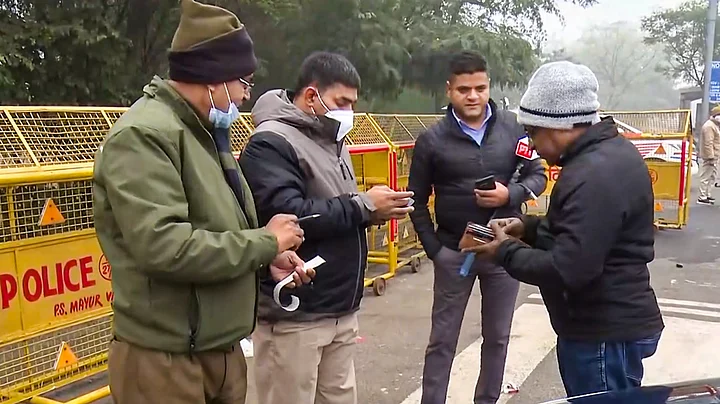
As part of ongoing efforts to combat severe air pollution in Delhi, the government has implemented the 'No PUC, No Fuel' rule, which prohibits petrol stations from dispensing fuel to vehicles that do not possess a valid Pollution Under Control (PUC) certificate. This regulation came into effect on 18 December 2025, coinciding with the enforcement of a ban on non-compliant vehicles below BS-VI standards.
According to The Hindu, the enforcement of this rule is supported by advanced technology, including automatic number plate recognition cameras and police assistance at fuel stations. The initiative aims to ensure that only vehicles meeting emission standards can refuel, thereby reducing the number of polluting vehicles on the roads.
The Delhi government has deployed approximately 580 police personnel at 126 checkpoints across the city to monitor compliance with the new regulations. The report noted that enforcement teams from the Transport Department are also stationed at petrol pumps to facilitate the implementation of the 'No PUC, No Fuel' rule.
Vehicles that fail to present a valid PUC certificate will be denied fuel, a measure aimed at curbing the number of older, more polluting vehicles on the road.
The publication further reported that this initiative is part of a broader strategy to address the air quality crisis in Delhi, which has been exacerbated by vehicular emissions.
“The pollution control plans in place in Delhi and National Capital Region were a total failure,” the Supreme Court stated, highlighting the urgent need for effective measures.
In addition to the fuel restrictions, the Supreme Court has allowed enforcement actions against vehicles that do not meet BS-IV standards, which includes many older diesel and petrol vehicles. The news report indicated that this decision is expected to significantly reduce the number of high-emission vehicles operating in the city.
The government has also announced that vehicles running on CNG and electric power, as well as those involved in essential services, are exempt from these restrictions.
As part of the enforcement strategy, the Delhi government is also working on enhancing public transport services and promoting carpooling to reduce the number of private vehicles on the road. The report added that the government is collaborating with technology firms to identify pollution hotspots and implement targeted measures.
In light of these developments, the Delhi High Court has raised concerns regarding the government's failure to regulate the sale of old vehicles, particularly in the context of public safety. The publication stated that the court has demanded a detailed response from the government regarding the regulation of used vehicle sales.
Note: This article is produced using AI-assisted tools and is based on publicly available information. It has been reviewed by The Quint's editorial team before publishing.