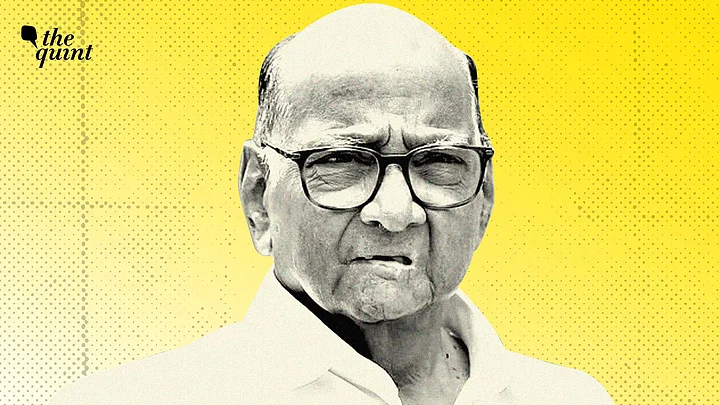
The Nationalist Congress Party (Sharadchandra Pawar) [NCP (SP)] did not attend the INDIA bloc’s strategy meeting on 28 November 2026, where opposition parties discussed a joint response to the Centre’s proposed delimitation bill. The bill, expected to be introduced in the upcoming special session of Parliament, seeks to increase Lok Sabha and state assembly seats and implement women’s reservation through a delimitation exercise. The NCP (SP)’s absence has drawn criticism from its Maha Vikas Aghadi (MVA) allies, intensifying political tensions within the opposition alliance.
According to Hindustan Times, senior Congress leader Vijay Wadettiwar accused NCP (SP) chief Sharad Pawar of abandoning his progressive ideology and prioritising power over Maharashtra’s interests. Shiv Sena (UBT) MP Sanjay Raut also criticised the NCP (SP), stating that its decision to support the bill amounted to a betrayal of Maharashtra and the MVA alliance. Raut warned that unilateral support for the government would not be tolerated by the people of Maharashtra.
As highlighted by The Hindu, the INDIA bloc unanimously decided to oppose the delimitation bill, arguing that it threatens the interests of Scheduled Castes (SCs) and Scheduled Tribes (STs) and could undermine democratic processes. Congress president Mallikarjun Kharge stated that the bill would not increase SC/ST representation in proportion to their population and alleged that the legislation was designed to entrench the ruling party’s power.
Further coverage indicated that the INDIA bloc’s meeting, held at Kharge’s residence, included leaders from Congress, Trinamool Congress, RJD, CPI, IUML, and RSP. The alliance outlined three key demands: maintaining the current strength of the Lok Sabha, implementing women’s reservation within existing seats, and freezing the allocation of seats among states for the next 25 years. Non-INDIA bloc parties such as DMK, AAP, and BJD were invited but did not attend.
“The current strength of the Lok Sabha should be maintained. Women’s reservation should be provided based on the current strength of the Lok Sabha. The current allocation of seats among states in the Lok Sabha should be maintained for the next 25 years,” the INDIA bloc stated.
Analysis showed that the bloc’s demands were aimed at preventing any dilution of representation for certain states and communities. The bloc also expressed concern that the proposed increase in seats could be used to alter the balance of power in Parliament, potentially disadvantaging states with slower population growth.
Opposition leaders emphasised the urgency of consolidating resistance to the bill, with some parties issuing whips to ensure their MPs’ presence in Delhi. The bloc considered appealing to DMK chief MK Stalin to reconsider support for the bill, as DMK’s backing could significantly impact the outcome. Reports also noted that some MPs were being protected from possible poaching amid heightened political manoeuvring.
“Congress will continue to fight,” said Congress deputy leader Gaurav Gogoi, reiterating the party’s commitment to upholding the current Lok Sabha strength and opposing any changes that could affect state representation.
During the meeting, deliberations focused on the potential implications of increasing the Lok Sabha’s strength to 850 members and the risk of gerrymandering through the delimitation process. Concerns were raised about the appointment of delimitation commission members and the possibility of constituency boundaries being redrawn to favour the ruling party.
Statements from recent interviews highlighted that NCP (SP) MPs’ support for the bill has deepened the rift within the MVA, with Sanjay Raut warning that such actions would have political consequences. He asserted that the people of Maharashtra would not forgive those who sided with the government against the state’s interests.
“If even one of these MPs votes in favour of the Modi-Shah government, or rather, against Maharashtra, I can assure you that none of them will be re-elected,” Raut stated.
In the context of the legislative process, reporting indicated that the constitutional amendment bill requires a two-thirds majority in both Houses of Parliament and ratification by at least half of the states. The government’s efforts to secure support from parties like DMK and NCP (SP) have increased the likelihood of the bill passing, despite opposition resistance.
Note: This article is produced using AI-assisted tools and is based on publicly available information. It has been reviewed by The Quint's editorial team before publishing.