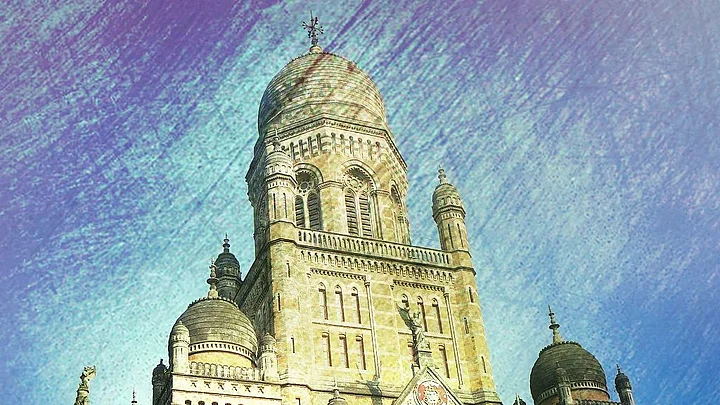
Mumbai’s next mayor will be a woman from the general category, following a lottery draw conducted by the Maharashtra Urban Development Department. The draw, held after the recent municipal elections, determined the reservation category for the mayoral post.
The Brihanmumbai Municipal Corporation (BMC) is now set to elect its new mayor, with the process expected to conclude by the end of January. The BJP emerged as the single largest party, with the Shiv Sena (Eknath Shinde faction) as a key ally, but no party holds an absolute majority.
According to Hindustan Times, the reservation draw resulted in Mumbai and 14 other cities selecting women mayors from various categories, with Mumbai specifically reserved for a woman from the general category.
The process was conducted at Mantralaya and was live-streamed, but opposition parties, particularly the Shiv Sena (UBT), alleged that the draw was manipulated to benefit the ruling alliance.
As reported by Deccan Herald, the top contenders for the mayoral post include Tejaswi Ghosalkar, who switched from Shiv Sena (UBT) to BJP and won from Dahisar, and other prominent women corporators.
The opposition has raised concerns about the exclusion of OBC and ST categories in the draw, with former mayor Kishori Pednekar stating, “The last two Mayors of Mumbai were from the general category, this time OBC and ST categories should have been added during the lottery, but that didn’t happen.”
As highlighted by The Indian Express, this will be the second consecutive term that Mumbai will have a woman mayor. The opposition, including the Congress, has questioned the rationale behind the reservation process, particularly the exclusion of Mumbai from the OBC reservation list. Minister of State for Urban Development Madhuri Misal maintained that the process was conducted strictly according to established rules and population norms.
“The government has insulted OBCs by deliberately denying them this opportunity,” said Kishori Pednekar, reflecting the ongoing discontent among opposition leaders.
Analysis showed that the BJP’s Prabhakar Shinde, Makarand Narwekar, Navnath Ban, Yogita Sunil Koli, and Tejaswee Abhishek Ghosalkar are among the leading names being considered. The mayoral post, while largely ceremonial, is seen as a symbol of political dominance in Mumbai’s fragmented civic landscape. The final selection will depend on the alliance’s internal negotiations and the outcome of the mayoral election.
The quota lottery system for mayoral posts in Maharashtra is based on a rotational draw, with reservations for Scheduled Castes, Scheduled Tribes, OBCs, and women. The process is overseen by the seniormost member of the House, and candidates require a minimum of 114 votes in the 227-member BMC to be elected. The current political configuration means that alliance negotiations will be crucial in determining the final outcome.
The Shiv Sena (UBT), which alleged that last-minute changes to reservation rules disadvantaged their candidates. The party claimed that the requirement for a minimum number of ST corporators was altered, preventing their members from being eligible for the mayoral post.
Note: This article is produced using AI-assisted tools and is based on publicly available information. It has been reviewed by The Quint's editorial team before publishing.