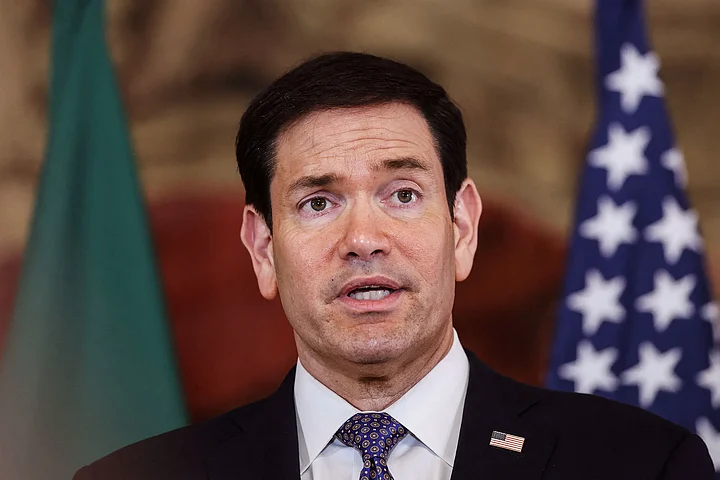
United States Secretary of State Marco Rubio has clarified that the recent waiver of certain US sanctions and tariffs on Russian energy imports, which could have affected India, is a temporary measure. The waiver, signed by President Donald Trump, provides a 60-day period to assess the potential impact of imposing both sanctions and tariffs on the global economy, including the United States and its allies such as India.
According to The Guardian, Marco Rubio stated that the pause is intended to allow the administration to analyse the consequences of the sanctions and tariffs, which involve multiple countries beyond Russia. He emphasised that the decision was made in light of high energy prices and ongoing conflicts, including the war in Iran, which have placed additional pressure on global energy supplies.
As reported by Hindustan Times, Rubio explained that India has made efforts to diversify its energy imports but continues to rely significantly on Russian oil. He noted that it is challenging for India to shift away from Russian energy sources immediately, despite its status as an important US ally. The waiver, therefore, provides time to evaluate the best approach for all parties involved.
Rubio further elaborated that the sanctions law, known as the Lindsey O Graham Sanctioning Russia and Iran Act, authorised the US President to impose tariffs of up to 100% on the top five purchasers of Russian oil, including India. Analysis showed that the waiver will remain in effect until the administration determines whether further action is necessary, taking into account ongoing global events such as the Iran conflict and disruptions in energy supply chains.
Rubio stated, “The president wants to take the 60-day period of time to sort of analyse what imposing both sanctions and tariffs will mean to the global economy and even to the US economy.” He added, “Then you've got countries like India, for example, that have voluntarily diversified their energy portfolio, but are still getting a substantial amount of energy from Russia because it's hard to pivot from one day to the next.”
“But they're (India) also an important ally and partner of the United States. So the president, we need that period of time to sort of study all this and figure out what the right combination is,” Rubio said.
In the context of India’s energy security, coverage revealed that India is the world’s third-largest consumer of crude oil and relies on imports for over 88% of its needs, with Russia being its largest supplier. The waiver is seen as significant for India, as it allows continued access to Russian crude while the US administration reviews the broader implications of the sanctions law.
Industry experts noted that Indian refiners had already begun reducing Russian oil purchases in anticipation of the sanctions. Reporting indicated that imports of Russian crude by India have declined, and the country has increased purchases from other suppliers, though at higher costs due to freight and insurance.
Rubio’s remarks also highlighted the complexity of enforcing secondary sanctions on countries like India. Further details showed that the executive order allows the waiver to remain until the President or Secretary of State, in consultation with other officials, decides on further action. The administration is weighing the impact of sanctions on global energy markets and the interests of US allies.
“We need that period of time to sort of study all this and figure out what the right combination is,” Rubio reiterated, underlining the administration’s approach to balancing economic and strategic interests.
In summary, the 60-day waiver on Russia-related energy tariffs for India is a temporary measure to allow the US administration to assess the broader economic and geopolitical consequences. As details emerged, the decision reflects the challenges of implementing sanctions that affect not only Russia but also key US partners such as India, especially amid volatile global energy markets.
Note: This article is produced using AI-assisted tools and is based on publicly available information. It has been reviewed by The Quint's editorial team before publishing.