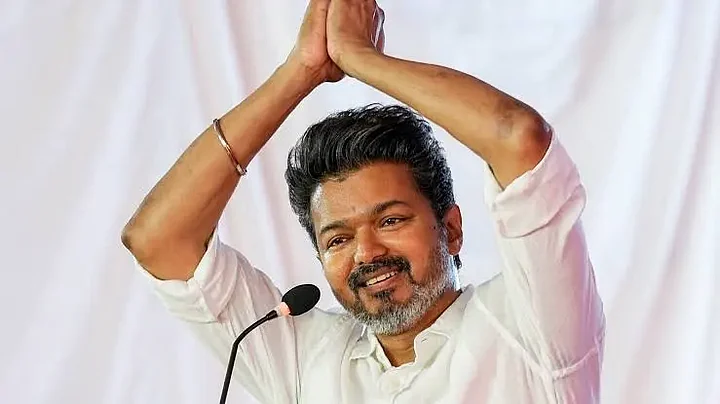
A 37-year-old man named Suraj died after collapsing during a Tamilaga Vetri Kazhagam (TVK) rally led by party president and actor Vijay in Salem. The incident occurred as the rally was underway, with Suraj reportedly complaining of chest pain before he collapsed. He was immediately transported to a local hospital, where he was declared brought dead. Police confirmed that Suraj had previously undergone angioplasty and had been receiving heart treatment since the previous year. Authorities have registered a case and initiated an investigation into the circumstances of his death.
As reported by Hindustan Times, the TVK rally was marked by Vijay’s remarks on power-sharing in Tamil Nadu politics, but the event was overshadowed by the sudden medical emergency. TVK joint general secretary C T R Nirmal Kumar expressed condolences, stating that the party provided first aid and arranged for Suraj’s immediate transfer to the hospital, but he could not be revived.
According to The Hindu, heart attacks, particularly ST elevation myocardial infarctions (STEMI), require rapid medical intervention to restore blood flow to the heart. The standard of care involves achieving a door-to-balloon time of under 90 minutes for optimal outcomes. Sudden cardiac death can occur in about 10% of STEMI cases, often before patients reach the hospital, highlighting the critical importance of immediate response.
In a similar recent incident, coverage revealed that veteran Kannada filmmaker Joe Simon died at age 80 after suffering a heart attack during a meeting in Bengaluru. He was actively participating in the event before collapsing and was pronounced dead at the hospital. This underscores the unpredictable nature of cardiac events, which can affect individuals regardless of their activity at the time.
Medical professionals emphasise that advances in heart attack treatment, such as the use of angioplasty and stents, have significantly improved survival rates when administered promptly. Analysis showed that modern protocols and streamlined hospital processes have reduced treatment times, but pre-existing conditions and delayed access to care remain significant risk factors.
“We heard from the family that he has been undergoing heart treatment since last year and that he suffered a cardiac arrest today. We provided first aid and shifted him in an ambulance to a hospital. Unfortunately, his life was lost. We are with the bereaved family, supporting them,” said TVK joint general secretary C T R Nirmal Kumar.
At the Salem rally, police stated that Suraj’s prior medical history included heart treatment and a previous angioplasty. Reporting indicated that the family had informed authorities about his ongoing cardiac issues, and the party extended support to the bereaved relatives.
Heart attack fatalities at public events are not uncommon, especially among individuals with known cardiovascular conditions. Details emerged from the Bengaluru incident that even with immediate attention, outcomes can be fatal if the cardiac event is severe or if underlying health issues are present.
In the context of evolving cardiac care, further insights highlight the necessity for public awareness about heart attack symptoms and the importance of seeking immediate medical help. Timely intervention remains the most effective measure to reduce mortality in such emergencies.
Note: This article is produced using AI-assisted tools and is based on publicly available information. It has been reviewed by The Quint's editorial team before publishing.