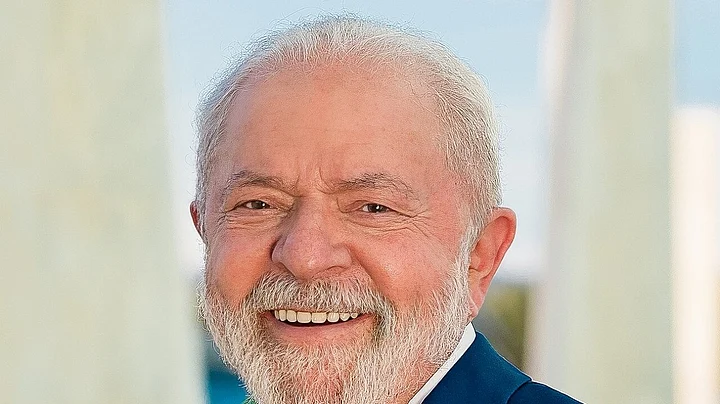
Luiz Inácio Lula da Silva secured his fourth term as President of Brazil on 25 October 2026, defeating Flávio Bolsonaro in a closely contested runoff. Lula, who will turn 81 soon, received 51.8% of the vote, leading by nearly 4.4 million votes. The election was marked by high voter turnout, extended polling hours, and immediate challenges to the results by Bolsonaro, reflecting deep political divisions in the country.
According to The Hindu, the extension of voting hours by two hours was ordered by Supreme Court Justice Cristiano Zanin just minutes before polls were scheduled to close, following requests from both candidates due to transportation issues and adverse weather. This unprecedented move led to confusion at several polling stations and was cited by Bolsonaro as grounds to call for the annulment of the results.
As reported by The Guardian, Lula’s victory marks the first time since the end of Brazil’s military dictatorship in 1985 that a candidate who finished second in the first round went on to win the presidency in the runoff. Lula’s campaign mobilised millions through street demonstrations and a revitalised social media strategy, overcoming a 2.2 million vote deficit from the first round.
Coverage revealed that the announcement of Lula’s win triggered celebrations in São Paulo and Rio de Janeiro, with supporters gathering in large numbers. However, Bolsonaro’s refusal to concede and his demand for annulment of the results underscored the contentious nature of the election and the polarisation among the electorate.
As highlighted by Siasat, Lula’s triumph bucks a regional trend of right-of-centre victories in Latin America and positions Brazil, with its $2.6 trillion economy, to maintain an independent foreign policy stance. The result also leaves both Brazil and Mexico with left-of-centre leaders, despite increasing pressure from the United States under President Donald Trump.
"It's impossible to recognize the results of the election in the context of these things that happened," Flávio Bolsonaro stated, referencing the late extension of voting hours and the involvement of a Supreme Court justice who had previously served as Lula’s lawyer.
Reporting indicated that Lula’s victory extends his record as the second longest-serving president in Brazil’s democratic history. His new term, set to begin on 5 January 2027, will see him in office for a total of 16 years by its conclusion. The campaign was dominated by debates over cost of living, crime, and corruption, with both candidates facing allegations involving family members and allies.
As noted in an article by The Indian Express, the extension of voting hours was requested by both camps—Lula’s due to transportation disruptions in his strongholds, and Bolsonaro’s due to heavy rains in the south. The delayed count led to uncertainty, but ultimately, Lula’s supporters celebrated his return to power, while critics voiced concerns about the economic outlook and political stability.
Analysis showed that Lula faces significant challenges ahead, including a deeply divided electorate and a hostile Congress dominated by right-wing parties. Environmentalists have welcomed his victory, citing concerns over deforestation and environmental policy under Bolsonaro, but the narrow margin of victory highlights ongoing polarisation.
"We're in a deep hole, things are dire. People can barely afford to eat — buying meat is out of the question," said Tereza Cristina Ramos, a retiree in Rio de Janeiro, reflecting widespread economic concerns among voters.
In addition, further details emerged about Lula’s campaign, which focused on expanding social welfare programmes and defending Brazil’s sovereignty amid external pressures. Despite his age and previous imprisonment on annulled corruption charges, Lula’s political resilience and ability to mobilise grassroots support were key factors in his comeback.
Note: This article is produced using AI-assisted tools and is based on publicly available information. It has been reviewed by The Quint's editorial team before publishing.