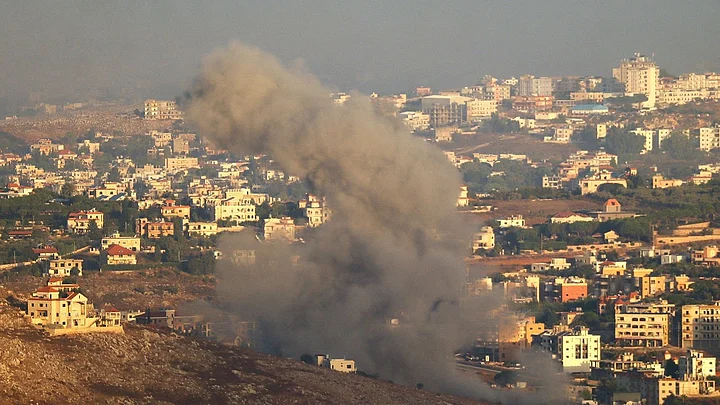
A 10-day ceasefire between Israel and Lebanon took effect at midnight on 16 April 2026, following weeks of intense conflict. The agreement, announced by United States President Donald Trump, aims to halt hostilities between Israeli forces and Hezbollah militants in southern Lebanon. Despite the truce, both sides reported violations in the initial hours, and displaced residents were advised not to return to affected areas due to ongoing security concerns.
According to The Hindu, the Lebanese army stated that Israeli forces committed ceasefire violations, including intermittent shelling of several southern Lebanese villages shortly after the truce began. The army urged civilians to delay returning to their homes and towns, citing the unstable security situation and the risk of unexploded ordnance.
As highlighted by The Guardian, United Nations Secretary-General António Guterres welcomed the ceasefire and called for it to be “fully respected” by all parties. The terms of the truce prohibit offensive military actions in Lebanon but allow for self-defence against imminent or ongoing attacks. Both Israel and Hezbollah have maintained their right to respond if the ceasefire is breached.
Coverage revealed that the final hour before the ceasefire saw significant escalation, with Israeli airstrikes on southern Lebanese towns resulting in civilian casualties and Hezbollah launching multiple rockets and drones into northern Israel. The Lebanese army reported several ceasefire violations and continued to advise caution for residents in affected areas.
As noted in an article by The Indian Express, the ceasefire agreement includes commitments from both nations to work towards lasting peace, mutual recognition of sovereignty, and security along the shared border. Israel has stated it will retain control of areas in southern Lebanon during the truce, while Lebanon is expected to prevent Hezbollah and other non-state groups from conducting attacks against Israeli targets.
“Israel shall preserve its right to take all necessary measures in self-defense, at any time, against planned, imminent, or ongoing attacks. This shall not be impeded by the cessation of hostilities,” the agreement states.
Reporting indicated that the ceasefire was a key condition in broader regional negotiations, particularly those involving Iran and the United States. Iran’s foreign ministry welcomed the truce, describing it as part of a wider understanding mediated by Pakistan and linked to efforts to reduce tensions across West Asia.
In the days leading up to the ceasefire, analysis showed that both Israeli and Lebanese officials expressed cautious optimism but remained wary of each other’s intentions. Israeli Prime Minister Benjamin Netanyahu described the ceasefire as a “historic opportunity” for peace but insisted on maintaining a security buffer in southern Lebanon. Hezbollah, meanwhile, warned that any Israeli presence on Lebanese territory would justify resistance.
Diplomatic sources confirmed following statements from President Donald Trump that leaders from Israel and Lebanon may meet at the White House in the coming days to discuss a permanent peace agreement. Both sides face internal and external pressures to uphold the truce and address the underlying causes of the conflict.
“We are proceeding with the negotiation process… today the first phase has begun,” Lebanese President Joseph Aoun stated, emphasizing the importance of sustained diplomatic engagement.
Further developments are expected as the ceasefire is tested by ongoing incidents and as diplomatic negotiations continue as details emerged. The coming days will determine whether the truce can pave the way for a lasting resolution or if renewed hostilities will undermine these efforts.
Note: This article is produced using AI-assisted tools and is based on publicly available information. It has been reviewed by The Quint's editorial team before publishing.