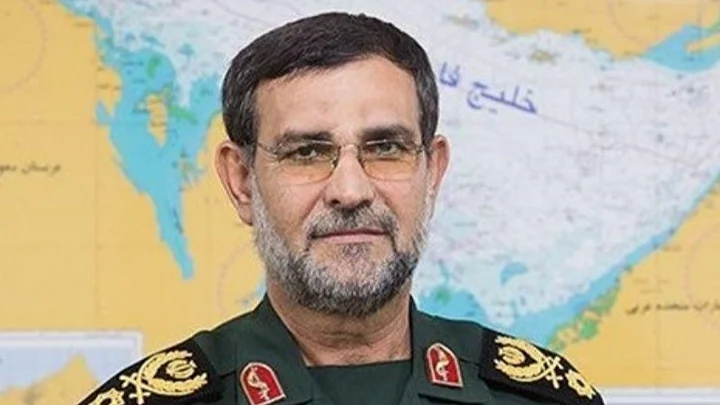
On 26 March 2026, Israel announced that it had killed Commodore Alireza Tangsiri, the commander of the Iranian Revolutionary Guard Corps (IRGC) Navy, in an overnight strike. Tangsiri was reportedly responsible for overseeing the closure of the Strait of Hormuz. Iran has not issued any official confirmation regarding his death. The incident comes amid ongoing hostilities between Israel and Iran, with heightened tensions in the region and increased military activity targeting Iranian naval assets.
According to Hindustan Times, Israeli media reported that Alireza Tangsiri was killed in a strike in Bandar Abbas, a key port city in southern Iran. The reports cited Israeli officials who stated that Tangsiri was directly responsible for the recent closure of the Strait of Hormuz, a critical maritime chokepoint for global oil shipments. However, both Iranian and Israeli official statements on the matter were still awaited at the time of reporting.
As reported by The Guardian, Israeli Defence Minister Israel Katz announced that Tangsiri, along with other senior naval officers, was killed in the overnight operation. Katz described Tangsiri as “directly responsible for the terrorist operation of mining and blocking the strait of Hormuz” and stated that he had been “blown up” in the strike. Iran had not commented on the claim at the time of the announcement.
Statements from Israeli officials indicated that the strike was part of a broader campaign targeting Iranian naval assets. In recent days, Israeli forces have conducted several operations against Iranian naval ships, including vessels equipped with missile systems and patrol craft. The escalation follows joint U.S.-Israeli attacks on Iran that began on 28 February 2026, during which several high-ranking Iranian officials have reportedly been killed.
Further coverage revealed that the Israeli claim was made on 26 March, with Defence Minister Israel Katz stating that Tangsiri and other senior commanders were killed in the strike. The report also noted that Iran had not immediately acknowledged the death. The strategic significance of Tangsiri’s role was highlighted, as he was the key official overseeing the closure of the Strait of Hormuz, a move that has impacted international shipping and energy markets.
“Israel claimed on Thursday (March 26, 2026) it killed Commodore Alireza Tangsiri, the head of Iranian Revolutionary Guard's navy — the key official overseeing the closure of the strait. Israeli Defence Minister Israel Katz said he had been killed along with other senior naval commanders in a strike overnight. Iran did not immediately acknowledge Tangsiri's killing.”
In addition, analysis showed that the Iranian Parliament was concurrently working on legislation to formalise the imposition of fees on ships transiting the Strait of Hormuz. This legislative move, reported by Iranian state media, was seen as an assertion of Iran’s sovereignty and control over the strategic waterway, further underlining the importance of the IRGC Navy’s leadership in the region.
At the same time, reporting indicated that the broader conflict has seen the targeting of multiple senior Iranian officials, with Israel and the United States conducting joint operations since late February. The death of Tangsiri, if confirmed, would mark another significant loss for Iran’s military leadership during this period of heightened hostilities.
Regional and international responses have focused on the potential impact of these developments on maritime security and global energy supplies. The Strait of Hormuz remains a critical route for oil and gas exports, and any disruption or change in control has immediate implications for global markets. The absence of confirmation from Iranian authorities has led to continued uncertainty regarding the status of the IRGC Navy’s command structure as details emerged.
“Israeli Defence Minister Israel Katz said he had been killed along with other senior naval commanders in a strike overnight. Iran did not immediately acknowledge Tangsiri's killing.”
Note: This article is produced using AI-assisted tools and is based on publicly available information. It has been reviewed by The Quint's editorial team before publishing.