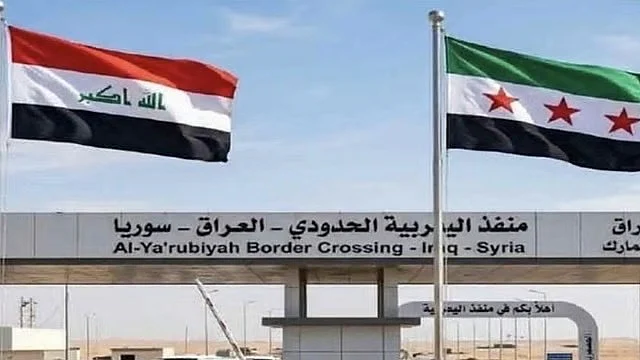
The Rabia-Yarubiyah border crossing between Iraq and Syria reopened on 20 April for the first time in more than a decade.
The crossing, located in Iraq’s Nineveh province and Syria’s Hasakah region, had been closed since the onset of the Syrian civil war in 2011 and subsequent occupation by Islamic State militants in 2014.
Iraqi Kurdish forces later regained control of the area, paving the way for renewed cross-border cooperation.
According to The Hindu, officials from both countries highlighted the crossing’s potential to facilitate overland trade and oil exports.
Syrian authorities described the reopening as a strategic move to establish a safe route for oil exports and commercial goods, especially as maritime routes remain disrupted due to ongoing regional conflicts.
As coverage revealed, the reopening comes at a time when Gulf countries are seeking alternatives to the Strait of Hormuz, which has faced significant disruptions due to the Iran-Israel and US conflict.
The Rabia-Yarubiyah crossing is now viewed as a critical overland alternative for Iraq and Syria to maintain the flow of oil and goods, reducing reliance on vulnerable maritime chokepoints.
Officials noted that the crossing’s restoration is expected to accelerate fuel oil shipments and revive commercial trade traffic that had been halted for years.
The head of Iraq’s Border Ports Commission, Omar al-Waeli, stated that reopening Rabia would ease pressure on fuel shipments to Syria by allowing more fuel oil to be trucked through the country.
The crossing is also anticipated to benefit local economies on both sides of the border as details emerged.
Regional analysts have pointed out that the reopening of the Rabia-Yarubiyah crossing could help mitigate the impact of maritime disruptions on global oil and gas flows.
Analysis showed that countries are increasingly investing in infrastructure to bypass traditional chokepoints, with Iraq’s move seen as part of a broader regional strategy to ensure energy security and economic stability.
The reopening also reflects ongoing efforts by Iraq and Syria to normalise cross-border relations and restore commercial links severed by years of conflict. The crossing, known as Rabia in Iraq and Yarubiyah in Syria, is expected to play a significant role in regional logistics and supply chains, especially for fuel and essential goods following reports of continued instability in maritime routes.
While the reopening has been welcomed by officials and local businesses, security remains a concern due to the region’s history of conflict and the presence of armed groups.
However, authorities have stated that measures are in place to ensure the safe movement of goods and people across the border. The crossing’s operational status will be closely monitored in the coming weeks as developments unfold.
In the context of broader regional infrastructure, the reopening of the Rabia-Yarubiyah crossing is also seen as a step towards diversifying export routes and reducing the economic risks associated with maritime chokepoints.
The move aligns with ongoing efforts by Gulf states to expand pipeline networks and overland trade corridors, as highlighted by recent investments in alternative infrastructure projects at the end of the reporting period.
Note: This article is produced using AI-assisted tools and is based on publicly available information. It has been reviewed by The Quint's editorial team before publishing.