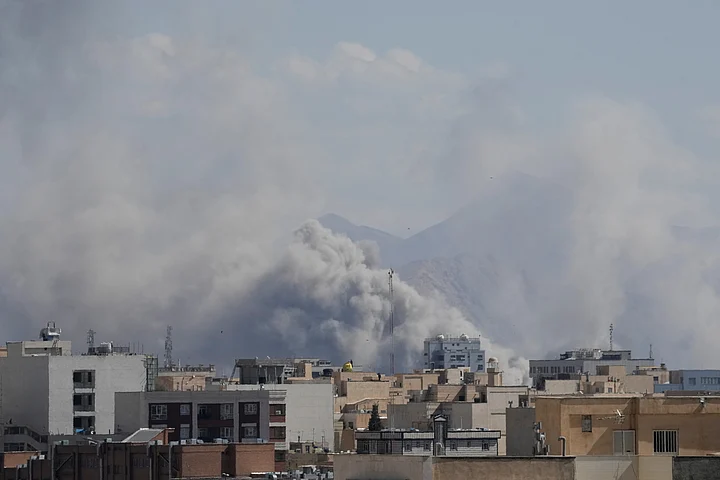
Iran’s Supreme National Security Council chief Ali Larijani has publicly stated that Iran will not negotiate with the United States. This announcement comes after a series of US-Israeli military strikes on Iranian targets, which have escalated tensions in the region. Iranian officials have denied reports suggesting any attempt to initiate talks with the US administration following these attacks.
According to The Hindu, Ali Larijani dismissed claims of Iranian outreach for negotiations, describing US President Donald Trump’s actions as having plunged West Asia into chaos. Larijani’s statement was made via a post on X, where he directly addressed the aftermath of the recent military operations.
As highlighted by Financial Express, the Iranian government’s position was reiterated as the conflict entered its third day, with no indication of willingness to engage in dialogue with the United States. The situation has led to significant disruptions, including the closure of the Strait of Hormuz and volatility in global oil markets.
Regional developments have intensified, with Hindustan Times coverage revealing that the US military announced the destruction of the Iranian Revolutionary Guard Corps’ headquarters. In response, Iranian officials have maintained a stance of resistance, emphasizing their right to self-defence and rejecting external pressure for negotiations.
“Iran will not negotiate with the United States,” Ali Larijani stated, directly refuting media reports of any diplomatic overtures.
Recent analysis showed that Iran’s refusal to negotiate is rooted in its perception of the conflict as existential. The government’s approach has shifted towards sustained retaliation, with officials indicating that the stakes are too high for compromise at this stage.
International reactions have varied, but reporting indicated that Western governments are preparing defensive measures in the Gulf region, anticipating further escalation. The UK, for example, has announced support for Gulf allies in intercepting Iranian drone attacks, reflecting broader concerns about regional security.
Statements from US officials have suggested openness to talks, but coverage revealed that President Donald Trump acknowledged Iran’s interest in negotiations while simultaneously expressing skepticism about the timing and sincerity of such overtures.
“They want to talk, but I said you should have talked last week, not this week,” President Trump was quoted as saying, underscoring the lack of progress toward de-escalation.
Meanwhile, further updates confirmed that military operations continue on multiple fronts, with both sides sustaining significant losses. The ongoing hostilities have complicated prospects for any immediate diplomatic breakthrough.
Note: This article is produced using AI-assisted tools and is based on publicly available information. It has been reviewed by The Quint's editorial team before publishing.