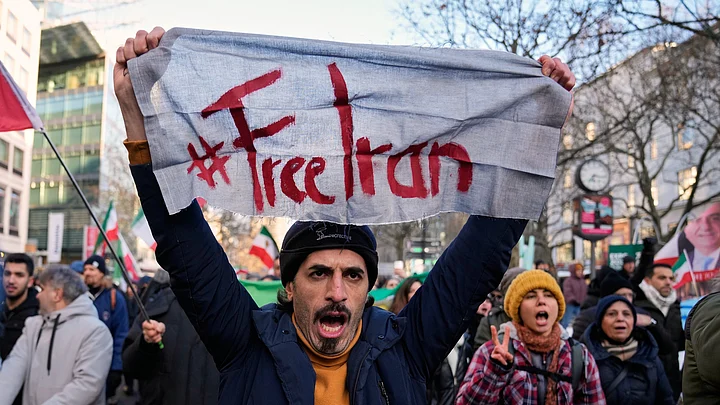
Protests in Iran have resulted in a reported death toll nearing 2,000, according to statements from Iranian officials. The unrest, which began over economic grievances, has escalated into widespread demonstrations and a significant government crackdown.
Authorities have attributed the fatalities to actions by individuals they describe as "terrorists," while international observers and rights groups have raised concerns about the scale of violence and repression. The situation remains volatile, with ongoing internet shutdowns and continued international scrutiny.
According to The Hindu, an Iranian official stated that approximately 2,000 people have been killed during the protests, attributing the deaths of both civilians and security personnel to "terrorists."
The official's comments were made in the context of ongoing accusations against foreign actors and domestic opposition groups, as the government continues to justify its response to the unrest.
As reported by Hindustan Times, the protests have become one of the most significant challenges to Iran's leadership since the 1979 Islamic Revolution. The demonstrations, initially sparked by economic issues, have expanded in scope, with thousands arrested and a verified death toll of at least 646 according to rights groups. Iranian authorities have imposed a nationwide internet blackout, which activists claim is intended to obscure the extent of the crackdown.
Coverage revealed that the Human Rights Activists News Agency, based in the United States, has confirmed hundreds of fatalities, relying on a network of activists within Iran. The agency's figures are considered credible by international observers, though independent verification remains difficult due to communication restrictions imposed by Iranian authorities.
International reactions have included condemnation of the violence and calls for restraint. Analysis showed that German Chancellor Friedrich Merz described Iran's leadership as being in its "final days and weeks," citing the regime's reliance on violence to maintain power. European governments have summoned Iranian diplomats to protest the crackdown, and the United Nations has urged Iranian authorities to halt all forms of violence against demonstrators.
"The killing of peaceful demonstrators must stop, and the labelling of protesters as ‘terrorists’ to justify violence against them is unacceptable," said Volker Turk, U.N. Rights Chief, as quoted in international coverage.
Economic consequences are also emerging, with reporting indicated that India's basmati rice exports to Iran have been affected due to payment delays and uncertainties. The Indian Rice Exporters Federation has advised caution in dealings with Iranian buyers, reflecting the broader impact of the unrest on regional trade.
In the context of recent history, further details emerged that the current protests follow a period of heightened tension after a 12-day war with Israel and the United States in June 2025. The aftermath of that conflict has contributed to a sense of vulnerability within the Iranian regime and has intensified public dissatisfaction, as noted by analysts and observers.
"Now the people have reached the point of saying: Enough is enough," said Ali Vaez, Iran project director at the International Crisis Group, reflecting the sentiment among many protesters.
At the same time, recent updates confirmed that the international community continues to monitor the situation closely, with ongoing debates about the potential for further sanctions and diplomatic measures. The Iranian government maintains that it is prepared for both dialogue and confrontation, as officials reiterate their stance against foreign intervention.
Note: This article is produced using AI-assisted tools and is based on publicly available information. It has been reviewed by The Quint's editorial team before publishing.