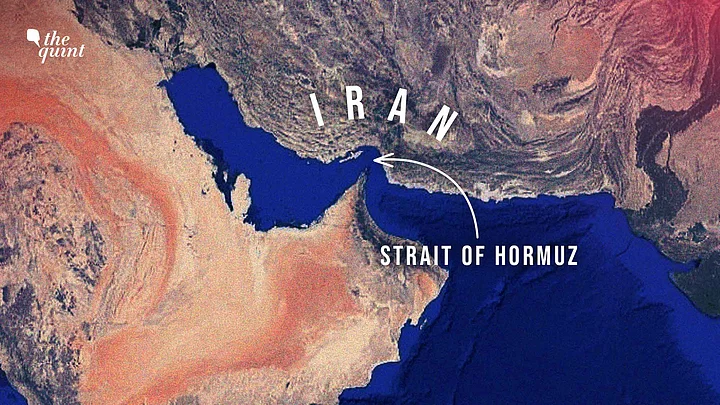
Iran has begun collecting shipping tolls from vessels in the Strait of Hormuz while refusing to reopen the waterway as long as the United States maintains its naval blockade. The standoff has resulted in the continued closure of this critical maritime route, with Iran seizing two foreign cargo ships and firing on a third. Oil prices have surged, and diplomatic efforts to resolve the crisis remain stalled.
According to Financial Express, Iran has received its first revenue from newly imposed transit tolls on ships attempting to pass through the Strait of Hormuz. Iranian authorities justified the seizures of two cargo vessels by citing violations of these new transit rules, while also blaming the ongoing US blockade and regional tensions for the continued closure of the strait.
As reported by Hindustan Times, Iranian officials have stated that the strait will remain closed as long as the US blockade is in effect. The Iranian foreign minister has attributed the deadlock in peace talks to what he described as US and Israeli aggression, and the Revolutionary Guard has confirmed the capture of two foreign ships for breaching maritime regulations.
As highlighted by Deccan Herald, the two seized vessels, identified as the Liberia-flagged Epaminondas and Panama-flagged MSC Francesca, were accused by Iranian authorities of operating without required permits and tampering with navigation systems. A third vessel was fired upon but not damaged. The US military has redirected over 30 ships as part of its blockade, and the international crude oil benchmark Brent remains above $100 per barrel.
“Reopening the Strait of Hormuz is not possible amid a blatant violation of the ceasefire,” said Iranian parliament speaker Mohammad Bagher Ghalibaf, as cited by multiple sources.
As noted in an article by The Hindu, the Iranian government has reiterated that a full ceasefire is only meaningful if the naval blockade is lifted. The US, meanwhile, has not set a deadline for Iran to submit a peace proposal, and the White House has indicated that the timeline for negotiations remains open-ended.
Analysis showed that the Pentagon estimates it could take up to six months to clear the strait of mines, further complicating any immediate reopening. The waterway, which previously carried a fifth of global oil and gas supplies, has been effectively shut since late February, despite a ceasefire halting most fighting.
Iran’s stance was further reinforced following statements that the strait would not reopen as long as the US blockade continues. Both sides have used economic leverage to pressure the other, with no significant progress in peace negotiations.
“You did not achieve your goals through military aggression and you will not achieve them by bullying either. The only way is recognizing the Iranian people's rights,” wrote Iran’s parliament speaker on social media.
Video evidence of the seizures was broadcast as footage emerged showing armed Iranian soldiers boarding the two container ships. The vessels were reportedly heading to ports in Gujarat, Sri Lanka, and Jeddah, according to maritime tracking data. The incidents have further disrupted shipping traffic, which has dropped from around 130 vessels daily to only a handful.
Further details on the seizures and the impact on crew safety were provided as coverage revealed that negotiations between shipping companies and Iranian authorities are ongoing, with all crew members reported safe. The events mark the first such seizures since 2024 and underscore the heightened risks for international shipping in the region.
Note: This article is produced using AI-assisted tools and is based on publicly available information. It has been reviewed by The Quint's editorial team before publishing.