The Government of India has withdrawn most emergency natural gas supply curbs that were imposed during the disruption of liquefied natural gas (LNG) shipments through the Strait of Hormuz.
The decision follows the resumption of maritime traffic after a ceasefire in the West Asia region, which had previously led to significant supply challenges for the country’s energy sector.
According to Deccan Herald, the Ministry of Petroleum and Natural Gas issued a notification on 5 July 2026, amending the Natural Gas (Supply Regulation) Order, 2026.
This amendment omits key operational provisions that had required all domestically produced natural gas and imported LNG to be sold according to a government-drawn priority customer list.
As reported by The Hindu, Prime Minister Narendra Modi stated that India successfully navigated the energy crisis triggered by the West Asia conflict through strategic decision-making, effective use of domestic resources, and strong diplomatic engagement. He emphasised that the country avoided fuel rationing and ensured uninterrupted cooking gas supplies for consumers and farmers.
Emergency measures were initially introduced in March 2026 after LNG shipments through the Strait of Hormuz were disrupted due to US and Israeli strikes on Iran and subsequent retaliatory actions by Tehran as coverage revealed.
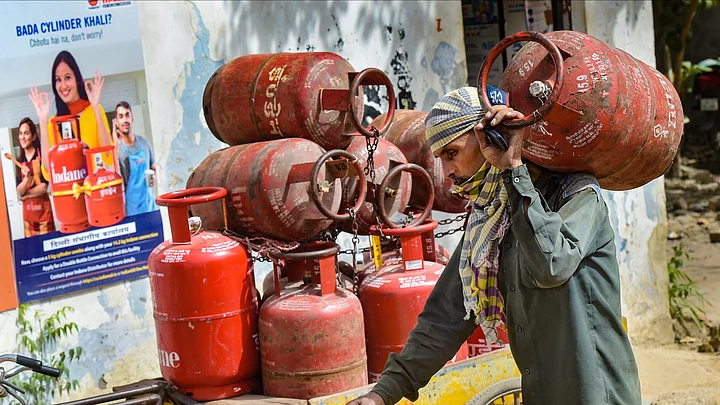
The government invoked emergency powers to prioritise gas supplies for essential sectors, including piped natural gas for households, compressed natural gas for transport, and LPG production.
Under the emergency order, supplies to households and transport were maintained at 100 percent of average consumption, while fertiliser plants and industrial consumers received reduced allocations.
To meet these priorities, gas supplies to petrochemical plants and power stations were curtailed, and oil refiners were directed to reduce gas consumption to about 65 percent of their average use as details emerged.
"The ongoing conflict in the Middle East that had resulted in the disruption of liquefied natural gas shipments through the Strait of Hormuz has been subject to a ceasefire, and negotiations are ongoing, as part of which, sea traffic through the Strait of Hormuz has been permitted to be resumed," the government notification stated.
India, which imports about 88 percent of its crude oil and nearly half of its natural gas requirements, is particularly vulnerable to disruptions in the Strait of Hormuz, as approximately 65 percent of its LNG supplies and 40-45 percent of crude oil imports transit through this route. The government responded by diversifying crude oil purchases and implementing sector-wise allocation of available gas following reports.
With the improvement in the regional situation and the resumption of LNG shipments, the government has now withdrawn the emergency provisions that had overridden existing gas sale agreements and commercial contracts.
The Ministry of Petroleum and Natural Gas confirmed that the emergency measures are no longer required, citing the ongoing ceasefire and the restoration of maritime traffic through the strategic waterway at the end of the notification.
India’s approach to the crisis included maximising domestic LPG production, redirecting industrial gas, and fast-tracking piped natural gas connections to households. These steps, combined with diplomatic efforts and refinery expansion, helped the country avoid the fuel shortages and price spikes experienced by other nations during the West Asia conflict as analysis showed.
"India took the right decisions at the right time, assessed the situation correctly, used its resources wisely and strengthened its diplomatic engagement," Prime Minister Narendra Modi said during the inauguration of the HPCL Rajasthan Refinery Limited.
While the emergency gas curbs have been lifted, the government continues to monitor the situation in West Asia and remains prepared to take further action if necessary to safeguard the country’s energy security as further updates indicated.
Note: This article is produced using AI-assisted tools and is based on publicly available information. It has been reviewed by The Quint's editorial team before publishing.