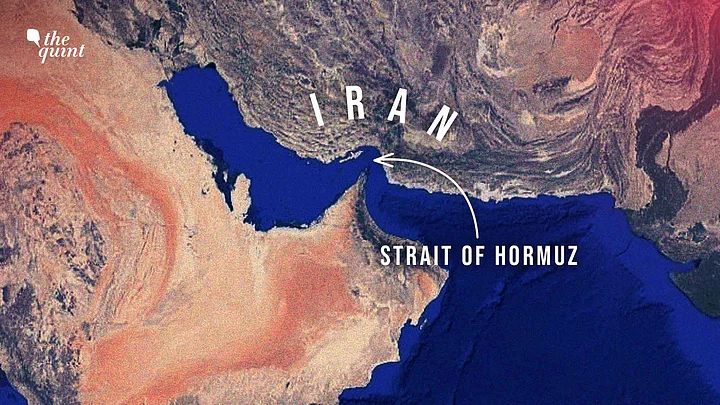
India is actively seeking safe passage for 22 of its vessels stranded near the Strait of Hormuz following disruptions caused by the ongoing conflict in West Asia. The situation has affected the movement of Indian-flagged ships, with several vessels carrying essential commodities such as liquefied petroleum gas (LPG) and crude oil. Indian authorities are engaged in high-level diplomatic discussions with Iran to secure the release and transit of these ships, which are critical for maintaining the country’s energy supply chains.
According to Hindustan Times, one Indian-flagged vessel, Jag Prakash, which had been stranded for two weeks, has successfully sailed away from the east of the Strait of Hormuz. The vessel was carrying oil from Oman to Africa. However, three other Indian vessels remain stuck on the east side, while 24 are located to the west of the strategic waterway, with a total of 668 sailors onboard.
As reported by The Indian Express, Iran’s Ambassador to India, Mohammad Fathali, stated that Iran would “try our best to remove the problems” regarding the passage of Indian vessels. He emphasised the friendly relations between the two countries and indicated that positive developments could be expected soon, following multiple conversations between Indian and Iranian officials.
Recent developments confirmed that Iran has allowed two Indian-flagged LPG carriers to transit the Strait of Hormuz. This move followed direct talks between Prime Minister Narendra Modi and Iranian President Masoud Pezeshkian, as well as discussions between the respective foreign ministers. The vessels’ passage is expected to ease some of the pressure on India’s cooking gas supply.
Further coverage revealed that the clearance for these two LPG carriers came just hours after the high-level diplomatic exchanges. The Indian government continues to prioritise the safety of its citizens and the uninterrupted flow of goods and energy, with ongoing efforts to secure passage for the remaining vessels stranded west of the Strait.
“We believe that Iran and India are friends. We have common interests, we have a common fate,” Iranian Ambassador Mohammad Fathali told reporters, highlighting the diplomatic tone of the negotiations.
In addition, tracking data indicated that the Indian-flagged LPG carrier Shivalik, with a capacity exceeding 54,000 tonnes, successfully crossed the Strait of Hormuz. The vessel had been among those stranded since the escalation of the conflict on 28 February 2026. Three more Indian-flagged cargo ships with 76 seafarers remain in the Gulf of Oman, while 23 ships inside the Persian Gulf continue to be stranded.
Ongoing supply disruptions have led to shortages of LPG in India, particularly affecting commercial sectors such as hotels. The Karnataka government has prioritised supply to hospitals, hostels, and residential schools, while commercial establishments have been advised to use alternative energy sources until additional shipments arrive.
As analysis showed, the broader West Asia conflict poses risks not only to energy supplies but also to remittance flows from the Gulf, which are vital for India’s economy. The ongoing situation underscores the importance of securing maritime routes for both economic stability and the welfare of Indian nationals working in the region.
“The Government of India, in this situation after the war, helped us in different fields,” Ambassador Fathali stated, reiterating the collaborative approach between the two nations.
Efforts to ensure the safe passage of all remaining Indian-flagged vessels continue, with authorities maintaining close contact with Iranian counterparts and monitoring the situation to safeguard the interests of Indian seafarers and maintain critical supply chains as details emerged.
Note: This article is produced using AI-assisted tools and is based on publicly available information. It has been reviewed by The Quint's editorial team before publishing.