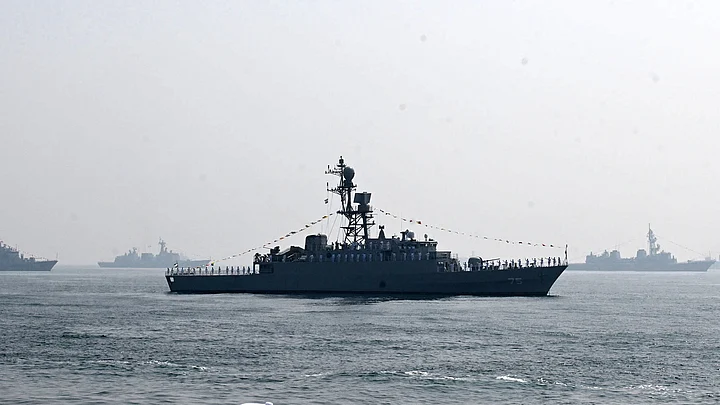
The Strait of Hormuz, a critical maritime chokepoint for global oil and gas shipments, has experienced significant disruptions following escalating tensions between Iran and the United States. Indian-flagged vessels have come under direct attack, and commercial shipping through the strait has been severely affected. The situation has prompted Indian authorities to issue advisories and initiate diplomatic outreach to safeguard energy supplies and ensure the safety of Indian nationals and shipping interests in the region.
According to Hindustan Times, the status of the Strait of Hormuz remains uncertain, with conflicting statements from Iran and the United States leading to confusion among global shipping operators. While Iran briefly declared the strait open, subsequent military threats and a US naval blockade resulted in renewed restrictions, effectively halting commercial traffic and stranding millions of barrels of oil and liquefied natural gas.
As reported by Hindustan Times, two Indian vessels, Jag Arnav and Sanmar Herald, were fired upon by the Iranian navy despite earlier assurances that ships from countries not involved in the conflict would not be targeted. Audio recordings from the Sanmar Herald revealed crew members appealing to Iranian authorities for safe passage after being granted clearance but subsequently coming under fire.
"You gave me clearance to go. My name is second on your list. You are firing now. Let me turn back," a mariner from the vessel stated in the released audio.
As highlighted by Deccan Herald, more than 20 vessels managed to transit the Strait of Hormuz on 18 April, marking the highest number of crossings since early March. Among these, Indian-flagged and India-bound vessels were present, but subsequent attacks and renewed restrictions have since reduced crossings to zero, with many ships choosing to remain anchored or turn back to avoid risk.
India’s diplomatic response has included high-level visits to key energy suppliers. Diplomatic outreach was led by National Security Adviser Ajit Doval, who visited Saudi Arabia to discuss regional security and energy cooperation. The visit followed trips by External Affairs Minister S Jaishankar to the United Arab Emirates and Petroleum Minister Hardeep Puri to Qatar, all aimed at ensuring uninterrupted energy supplies and the safety of the Indian diaspora.
India’s trade and economic engagements have also been affected. Recent negotiations with the United States, New Zealand, Canada, and the United Kingdom have included discussions on trade security and supply chain resilience, with the Hormuz crisis featuring prominently in bilateral talks.
Energy and fertiliser supply chains have faced significant challenges. Analysis showed that urea and other fertiliser prices have nearly doubled since the closure of the Strait of Hormuz, with Indian imports and domestic production both constrained by disruptions in liquefied natural gas shipments from Gulf Cooperation Council countries. The kharif crop season faces potential shortages, and industry sources have highlighted the need for alternative sourcing and policy adjustments.
Regional diplomatic developments have also been influenced by the crisis. Reporting indicated that India’s appointment of a new envoy to Bangladesh is partly motivated by the need to support Bangladesh’s energy requirements, which have been impacted by the Strait of Hormuz disruptions and the broader West Asia conflict.
"The visits to West Asian states by Indian leaders are aimed at ensuring energy supplies continue without disruptions and the well-being of the Indian diaspora," an official statement noted.
India continues to monitor the situation closely, issuing advisories for shipping companies and citizens in the region. As details emerged, authorities have emphasised the need for unimpeded and safe passage of merchant shipping and called for a return to dialogue and diplomacy to resolve the crisis.
Note: This article is produced using AI-assisted tools and is based on publicly available information. It has been reviewed by The Quint's editorial team before publishing.