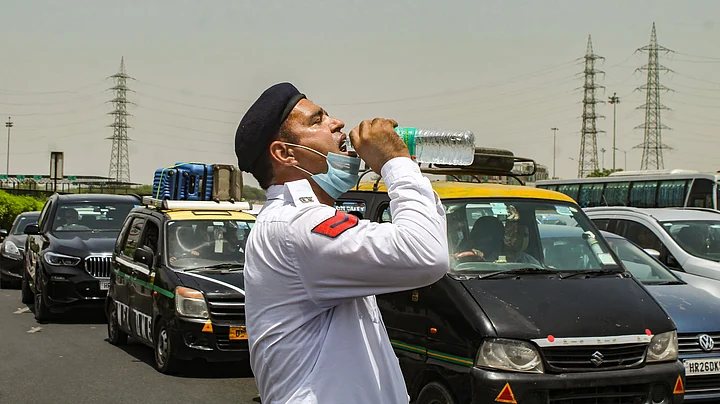
Delhi is experiencing its first major heatwave of 2026.
As reported by The Indian Express, the India Meteorological Department (IMD), has warned that Delhi’s temperature could rise to 42°C, with heatwave conditions likely to persist for the next five days.
The IMD also anticipates higher-than-normal heatwave days across northern and western India.
The department has advised residents to avoid heat exposure, wear light clothing, and stay hydrated, as daytime heat is expected to become increasingly uncomfortable.
As highlighted by Hindustan Times, Delhi’s base weather station at Safdarjung recorded a maximum of 39.5°C, three notches above normal, while the Ridge station in north Delhi reached 41.3°C. The IMD has issued a yellow alert, forecasting maximum temperatures between 42°C and 44°C from Wednesday to Friday. A heatwave is declared when the maximum temperature is at least 4.5°C above normal and crosses 40°C, or touches 45°C or more.
According to The Hindu, Delhi’s minimum temperature settled at 20.5°C, which is 2.2 degrees below normal, while Palam recorded 22.2°C.
“A gradual rise by 1-2°C in maximum temperatures is likely, leading to heat wave conditions at isolated to scattered places over Delhi in the next five days,” an IMD official stated.
Forecasts indicated that northern parts of the Indo-Gangetic plains, Gujarat, and Maharashtra will experience a higher-than-normal number of heatwave days this year.
IMD Director General Mrutyunjay Mohapatra noted that temperatures in regions such as Vidarbha, Uttar Pradesh, and Haryana are expected to exceed 40°C, with some areas reaching up to 44°C in May.
In Maharashtra, recent data showed 31 confirmed heatstroke cases between 1 March and 19 April, with one suspected fatality in Ahilyanagar. The highest maximum temperature was recorded in Amravati at 43.4°C, followed by Akola at 43.2°C.
Health officials have advised vulnerable groups, including outdoor workers and those with pre-existing conditions, to take extra precautions.
Delhi’s air quality has shown some improvement, but analysis showed that the air quality index (AQI) remains in the ‘moderate’ category, with forecasts suggesting it may deteriorate to ‘poor’ by Thursday.
The absence of rainfall and prevailing dry westerly winds are contributing to the rise in temperatures.
“We are closely monitoring the situation. People are advised to avoid going out during peak afternoon hours, stay hydrated and take necessary precautions,” said Dr Sandeep Sangale, joint director of State health services in Maharashtra.
IMD advisories have been disseminated through various channels, including WhatsApp groups and display boards, to reach outdoor workers and vulnerable populations.
Coverage revealed that extreme weather, including heatwaves, has also impacted agricultural output, with Punjab’s wheat crop suffering significant damage due to high temperatures and unseasonal rains.
While the IMD continues to monitor and update forecasts, studies indicated that climate change is altering environmental patterns, with increased heatwaves and droughts affecting both human health and natural ecosystems.
The IMD has urged the public to remain vigilant and follow safety guidelines during the ongoing heatwave period.
Note: This article is produced using AI-assisted tools and is based on publicly available information. It has been reviewed by The Quint's editorial team before publishing.