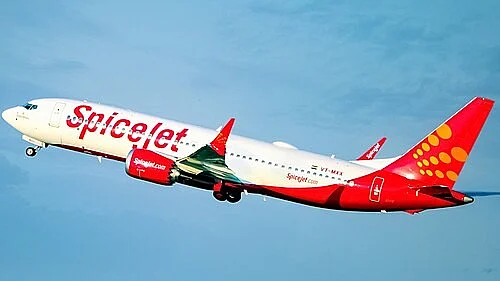
The Directorate General of Civil Aviation (DGCA) issued a show cause notice to SpiceJet after the airline’s operational fleet reduced to 10 aircraft, its domestic market share dropped to 0.6%, and on-time performance fell to 25%. The notice was served following a significant decline in the airline’s operational reliability and punctuality, raising concerns about its ability to maintain scheduled services and passenger safety standards.
According to The Hindu, regulatory authorities have recently intensified enforcement actions across sectors, including issuing show cause notices to entities found violating operational or safety norms. In the case of SpiceJet, the DGCA’s intervention follows a pattern of regulatory scrutiny aimed at ensuring compliance and protecting consumer interests.
As highlighted by The Indian Express, show cause notices serve as formal demands for explanation from organisations or individuals when significant lapses or violations are detected. In the aviation sector, such notices are typically issued when there are concerns about safety, reliability, or adherence to regulatory requirements.
Recent coverage revealed that regulatory bodies across various domains have been increasingly proactive in holding organisations accountable for lapses, with show cause notices often preceding further disciplinary or corrective actions.
“The DGCA’s issuance of a show cause notice is a critical step in enforcing operational standards and ensuring that airlines maintain the required level of service and safety for passengers,” an official familiar with regulatory procedures stated.
In similar regulatory actions, reporting indicated that show cause notices are used as a mechanism to prompt immediate corrective measures and to provide the concerned entity an opportunity to explain or rectify the identified deficiencies.
Operational data following reports showed that SpiceJet’s on-time performance and market share have seen a marked decline, prompting regulatory concern over the airline’s ability to meet its obligations to passengers and maintain industry standards.
“Such regulatory interventions are necessary to uphold the integrity of the sector and to ensure that passenger interests are not compromised due to operational shortcomings,” a sector analyst commented.
The DGCA’s notice requires SpiceJet to respond with a detailed explanation for the decline in its operational metrics and to outline steps being taken to address the issues. Further regulatory action may be considered depending on the adequacy of the airline’s response and its ability to restore compliance with aviation norms as details emerged.
Note: This article is produced using AI-assisted tools and is based on publicly available information. It has been reviewed by The Quint's editorial team before publishing.