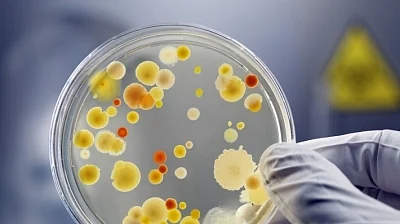
Researchers from Jawaharlal Nehru University have found that Delhi’s winter air pollution is associated with a significant increase in airborne antibiotic-resistant bacteria, particularly staphylococci.
The study, conducted across various urban and slum locations, revealed that the bacterial load in both indoor and outdoor air samples far exceeded World Health Organization-recommended limits, with the highest concentrations observed during the winter months.
As reported by The Indian Express, the JNU team identified that 73 percent of the isolated staphylococci were single-drug resistant, while 36 percent were multi-drug resistant.
The study highlighted that particulate matter in Delhi’s air acts as a carrier for these bacteria, facilitating their transport and increasing the risk of respiratory infections, especially in crowded and densely populated areas.
This report highlighted that December 2025 was the most polluted December in Delhi since 2018, with PM2.5 levels averaging 211 micrograms per cubic metre. The persistent high levels of particulate matter provide an environment conducive to the proliferation and spread of antibiotic-resistant bacteria, as noted in the JNU study.
According to Scroll, Delhi’s air pollution is driven by emissions from vehicles, industries, and construction activities, contributing to the city’s high particulate load.
The study’s findings indicate that these pollutants not only harm human health directly but also indirectly by supporting the growth and transmission of superbugs in the environment.
This article added that the Delhi government is collaborating with IIT Kanpur to develop an AI-enabled data system for real-time monitoring and source identification of air pollution. Such initiatives are aimed at enabling targeted interventions, which could also help address the environmental factors contributing to the spread of antibiotic-resistant bacteria.
This report mentioned that dust pollution remains a key contributor to Delhi’s PM2.5 load, with municipal authorities planning to repair over 1,000 roads to reduce dust emissions. Reducing dust could potentially lower the airborne transmission of bacteria attached to particulate matter.
This news report said that the health impacts of Delhi’s air pollution have led to significant personal and professional consequences, including the resignation of a pharmaceutical company’s finance head due to pollution-related health issues. The presence of antibiotic-resistant bacteria in the air further complicates the health risks faced by residents.
“The study highlights the critical need for comprehensive monitoring and reporting on environmental AMR, including both antibiotic-resistant bacteria and their associated genetic markers,” the JNU researchers stated.
Note: This article is produced using AI-assisted tools and is based on publicly available information. It has been reviewed by The Quint's editorial team before publishing.