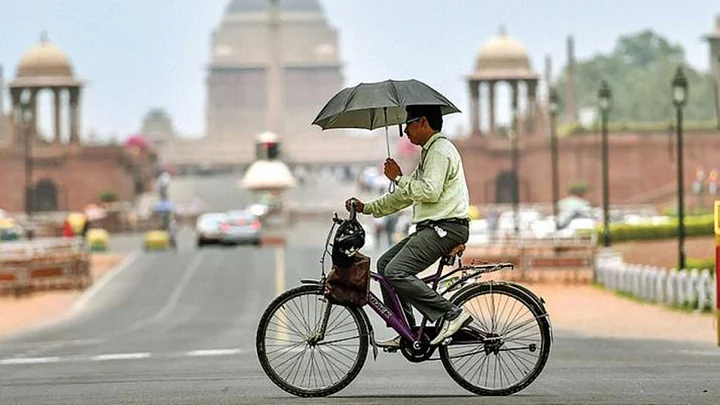
Delhi experienced its hottest day of the season on 17 April, with temperatures at the city’s base weather station crossing the 40°C mark.
The maximum temperature at Safdarjung was recorded at 40.3°C, which is 3.5 degrees above the seasonal average. The Ridge station in north Delhi reported the highest maximum temperature in the city at 41.4°C.
Air quality simultaneously declined, entering the ‘poor’ category. According to Hindustan Times, the air quality index (AQI) deteriorated from 204 to 226, marking the second consecutive day of ‘poor’ air quality.
The Commission for Air Quality Management (CAQM) in the National Capital Region (NCR) invoked GRAP Stage 1 measures, which include increased water sprinkling, use of mechanised sweepers, enhanced public transport frequency, and stricter monitoring of waste dumping and industrial emissions.
Forecasts indicated that the maximum temperature could rise further, potentially reaching 42°C on 18 April.
The India Meteorological Department (IMD) projected that temperatures would remain in the 40–42°C range through the weekend, with only minor relief expected from possible thundery developments late in the evening or at night.
However, rainfall was considered unlikely for the city during this period.
Officials noted that the recent temperature surge was primarily due to clear skies and the absence of western disturbances since early April.
The temperature trend showed a steady increase over the preceding days, with maximums of 39.1°C on Wednesday, 38.2°C on Tuesday, 36.1°C on Monday, and 34.7°C on Sunday as data confirmed.
GRAP restrictions had previously been lifted on 16 March after air quality improved to the ‘moderate’ category.
Since then, AQI levels largely remained moderate, with occasional improvements to the ‘satisfactory’ range following rainfall.
The reimposition of GRAP Stage 1 is a preventive measure to avoid further deterioration of air quality, as high dust levels have raised PM10 concentrations in the region according to recent updates.
“The Sub-Committee accordingly takes the call to invoke the 31-point action plan as per stage-I of the extant Grap in the entire NCR, to avoid further deterioration of air quality in the region,” stated the CAQM.
At the start of the week, the Safdarjung base station had already recorded temperatures above normal, with the trend intensifying as the week progressed.
The IMD stated that, despite a western disturbance beginning to impact the western Himalayan region, Delhi was unlikely to receive significant rainfall, and hot conditions were expected to persist as officials clarified.
Note: This article is produced using AI-assisted tools and is based on publicly available information. It has been reviewed by The Quint's editorial team before publishing.