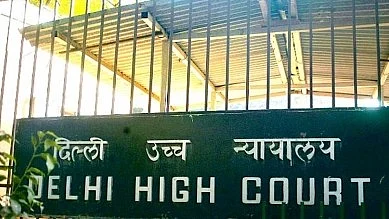
A writ petition has been filed before the Delhi High Court seeking a stay on the release and streaming of the upcoming Netflix film Ghooskhor Pandat. The petitioner alleges that the film’s title and content defame the Brahmin community by associating the term “Pandat” with corruption and bribery. The plea requests judicial intervention to restrain the film’s release, citing potential harm to the dignity and reputation of the Brahmin community and the petitioner’s own vocation.
According to The Indian Express, the petition was filed by Mahender Chaturvedi, who identifies as an Acharya engaged in the study and teaching of Indian scriptures. The plea argues that the film’s title and promotional material link the word “Pandat” with immoral conduct, which the petitioner claims is defamatory and communally offensive. The petition seeks a writ of mandamus to direct authorities to prevent the film’s streaming and to provide other consequential reliefs.
As reported by Deccan Herald, the petitioner contends that the term “Pandat” historically signifies scholarship, ethical conduct, and spiritual guidance. The plea asserts that associating the term with corruption amounts to stereotyping and vilification of an entire religious and social community. The petition further claims that the film’s title and content violate fundamental rights under Articles 14, 21, and 25 of the Constitution by discriminating against a particular group and infringing on their dignity and cultural identity.
The plea also references the right to freedom of speech and expression under Article 19(1)(a), but argues that this right is subject to reasonable restrictions under Article 19(2). The petitioner maintains that the film’s content does not fall within the ambit of protected speech if it constitutes hate speech, defamation, or content that could disturb communal harmony and public order as coverage revealed.
The petition alleges that the Union Government has failed to establish an effective regulatory mechanism to prevent the misuse of creative freedom on OTT platforms. The plea claims that this regulatory gap enables platforms to promote content that may result in community-based vilification for commercial gain, which the petitioner argues is an abdication of the constitutional duty to protect fraternity and public order according to legal filings.
The petition states: “The impugned title and content violate fundamental rights guaranteed under Articles 14, 21 and 25 of the Constitution, as they discriminate against a particular religious and social group, infringe the right to dignity and reputation, and demean religious and cultural identity linked to faith, rituals and traditions.”
In addition to seeking a stay on the film’s release, the petitioner has requested an interim order to halt the streaming of the content during the pendency of the case. The plea also seeks directions to the Union Government to take appropriate action against Netflix India under applicable laws governing digital and OTT platforms as filings indicated.
The cause of action, as stated in the petition, arose when the film was announced and promoted. The petitioner contends that any damage caused by its release would be irreversible, necessitating urgent judicial intervention prior to the streaming of the film as details emerged.
Netflix India has not issued a public statement regarding the petition or the allegations raised. The film, starring Manoj Bajpayee and written by Neeraj Pandey and Ritesh Shah, was announced at a recent event and is slated for release later this year, though no official release date has been provided as information confirmed.
The plea emphasises: “Any damage caused by the release of the impugned content would be irreversible. The petitioner, therefore, seeks urgent judicial intervention prior to the streaming of the film.”
Note: This article is produced using AI-assisted tools and is based on publicly available information. It has been reviewed by The Quint's editorial team before publishing.