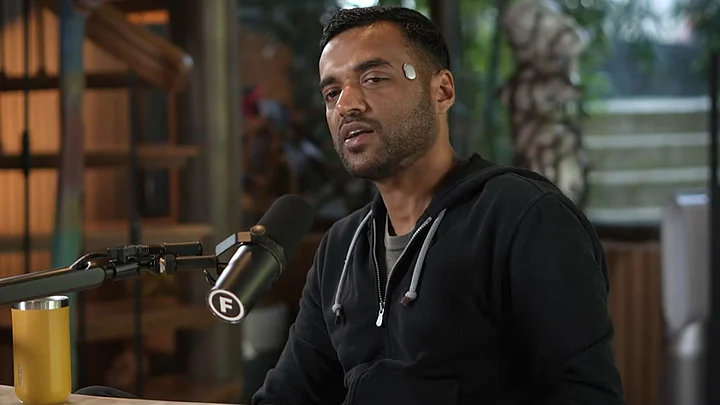
Deepinder Goyal, CEO of Zomato, introduced the Temple device in late 2025 as an experimental tool designed to measure brain blood flow.
The device, which Goyal has worn publicly, is linked to his "Gravity Aging Hypothesis," suggesting that gravity-induced reduction in brain blood flow could contribute to aging. Goyal announced that he had been using the device for about a year and indicated plans for a public launch.
According to Hindustan Times, the Temple device is a small golden gadget worn near the right temple, intended to provide accurate measurements of brain blood flow. Goyal’s hypothesis and the device itself have drawn significant attention, especially after he shared details and images on social media platforms.
As reported by this report noted, Dr Suvrankar Datta, an AI researcher and radiologist from AIIMS Delhi, publicly dismissed the Temple device as a “fancy toy” lacking scientific validity. Dr Datta told The Hindustan Times that the device currently has “zero scientific standing as a useful device” and cautioned the public against spending money on unproven gadgets.
This article added, Dr Datta emphasised that the only scientifically validated marker for predicting cardiovascular mortality is carotid-femoral pulse wave velocity (cfPWV). He argued that using the temporal artery as a surrogate, as the Temple device does, is scientifically flawed due to confounding factors and lack of accuracy.
“Do not waste your hard earned money to buy fancy toys billionaires can afford to waste money on. If you are one, then go ahead,” Dr Datta told The Hindustan Times, warning against premature hype for unproven devices.
As highlighted by The News Minute, Goyal’s public statements and experiments have often sparked debate, with critics questioning the scientific and ethical basis of his claims. The Temple device, in particular, has become a focal point for discussions about the intersection of technology, health, and privilege.
Goyal has not yet published peer-reviewed research or clinical trial data to support the efficacy or safety of the Temple device, The Hindustan Times article mentioned. Medical professionals continue to advise the public to rely on established scientific methods and to be wary of unproven health technologies.
Note: This article is produced using AI-assisted tools and is based on publicly available information. It has been reviewed by The Quint's editorial team before publishing.