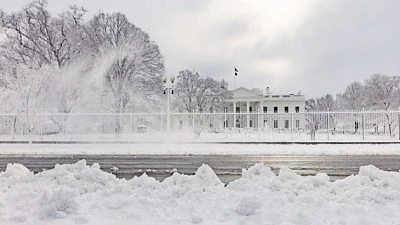
A severe winter storm has swept across the United States, affecting at least 26 states from Texas to Massachusetts.
Heavy snow, freezing rain, and plunging temperatures have caused widespread travel disruptions, power outages, and multiple fatalities. At least 25 deaths have been reported so far amid the severe weather.
Major cities, including New York and Philadelphia, have reported significant snowfall, while emergency declarations and service suspensions have been implemented in several regions.
Authorities continue to monitor the situation as hazardous conditions persist.
According to The Guardian, the National Weather Service issued storm warnings for 26 states, with alerts remaining in effect into the week.
The storm brought heavy snow to north Texas and Oklahoma before moving east, resulting in 30-50cm of snowfall in some areas.
Power outages affected over 800,000 households, and at least seven deaths have been linked to the extreme weather conditions.
As reported by Financial Express, a private jet crashed at Bangor International Airport in Maine during the snowstorm, killing seven people and seriously injuring one. The Bombardier Challenger 600, carrying eight individuals, crashed shortly after takeoff amid heavy snowfall and low visibility.
The airport was immediately closed, and investigations by the FAA and NTSB are ongoing, with weather conditions delaying the arrival of investigators.
As highlighted by The Indian Express, the Maine crash occurred around 7:45 pm local time on Sunday, with the aircraft experiencing a post-crash fire. The airport, located approximately 200 miles north of Boston, remains closed as authorities continue their investigation.
The snowstorm has been described as the most severe in recent years, impacting both air and ground transportation across the region.
Video footage showed New York City Mayor Zohran Mamdani assisting residents with snow removal in Brooklyn. The mayor was seen shoveling snow and helping free stranded vehicles as the city faced up to 14.9 inches of snowfall.
Five deaths were reported in New York City alone during the storm, though officials have not confirmed if the weather was the direct cause.
Public schools shifted to remote learning, and major airports experienced significant flight cancellations.
Emergency services and city crews have worked continuously to clear streets and maintain essential services in New York.
The storm, identified as Winter Storm Fern, led to over a million power outages nationwide and more than 10,000 flight cancellations. States from Louisiana to Tennessee reported heavy ice and power disruptions, prompting emergency declarations and requests for federal assistance.
Transit systems in New York City have continued to operate, though delays and adjustments have been reported due to the storm.
The Metropolitan Transportation Authority deployed snow-fighting trains and de-icing equipment, while articulated buses were temporarily removed for safety.
Ferry services were suspended except for the Staten Island Ferry, which remained operational as long as conditions allowed. Grocery stores and pharmacies aimed to stay open, but residents were advised to check for updates as the situation evolved.
The storm also caused widespread travel disruptions, with thousands of flights cancelled and major highways rendered impassable in several states.
Widespread intense cold has spread southwards, with temperatures dropping as low as -20°C in parts of Texas as updates continued. Forecasters warned of additional hazards, including “exploding” trees caused by rapid freezing, which can split tree trunks and create dangerous debris. Power restoration efforts are ongoing, but outages are expected to persist for several days in the hardest-hit regions.
Note: This article is produced using AI-assisted tools and is based on publicly available information. It has been reviewed by The Quint's editorial team before publishing.