Prime Minister Narendra Modi publicly welcomed the peace agreement between the United States and Iran, expressing hope that it would restore peace and ensure freedom of navigation in the region. The deal, which aims to end months of conflict and reopen the Strait of Hormuz, is scheduled for formal signing in Switzerland. The agreement follows significant disruption to global energy markets and loss of life since the conflict began.
According to Hindustan Times, Prime Minister Narendra Modi stated that the peace deal would help restore stability and freedom of navigation, which is crucial for global commerce. He emphasised the importance of implementing the agreement to address the economic and humanitarian impact of the conflict in West Asia.
As highlighted by Financial Express, the US-Iran ceasefire agreement includes an immediate halt to military operations and the reopening of the Strait of Hormuz for global shipping. However, Israel has not officially endorsed the deal, and opposition has emerged within the Israeli political spectrum regarding its terms.
As noted in an article by The Indian Express, Israeli National Security Minister Itamar Ben Gvir rejected the US-Iran agreement, asserting that Israel is not bound by the deal and will not withdraw from territory captured in Lebanon. This stance has contributed to ongoing tensions in the region, despite international calls for peace and stability.
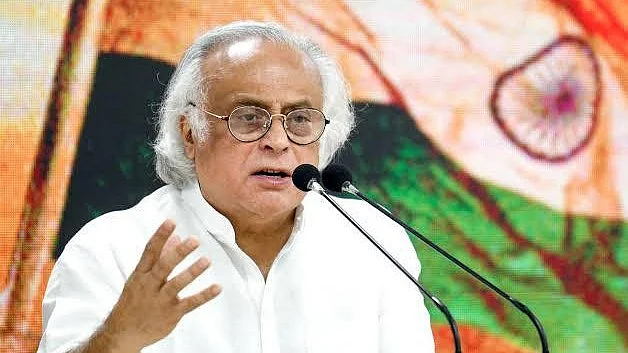
Congress leader Jairam Ramesh criticised Prime Minister Narendra Modi’s approach to Israel, particularly in the context of the recent developments. Coverage revealed that Ramesh questioned Modi’s consistent support for Israel, especially as global leaders welcomed the US-Iran peace deal and urged all parties to work towards lasting stability in the Middle East.
International leaders, including those from France, Germany, Italy, and the UK, have welcomed the US-Iran agreement and called for the immediate reopening of the Strait of Hormuz. Analysis showed that the European Union and other international actors view the restoration of freedom of navigation as essential for regional stability and the global economy.
“We look forward to deliberations on the remaining issues reaching a sustainable final agreement,” Prime Minister Narendra Modi said, as quoted in his official statement.
Oil prices responded to the announcement of the ceasefire, with Brent crude falling by approximately 4%. Reporting indicated that global markets reacted positively to the prospect of reduced tensions in the Middle East, while stock futures rose in anticipation of improved stability.
Jairam Ramesh’s criticism comes at a time when the Indian government is positioning itself as a supporter of peace and stability in West Asia. Further details show that Modi’s statement focused on the humanitarian and economic consequences of the conflict, while opposition leaders have raised concerns about the government’s diplomatic priorities.
“Freedom of navigation must be restored toll-free. This is essential for regional stability and the global economy,” said EU Commission President Ursula von der Leyen, as cited in international coverage.
Jairam Ramesh’s remarks reflect ongoing domestic debate over India’s foreign policy direction. The government’s response to the US-Iran deal and its stance on Israel continue to be scrutinised by political opponents and international observers as details emerged.
Note: This article is produced using AI-assisted tools and is based on publicly available information. It has been reviewed by The Quint's editorial team before publishing.