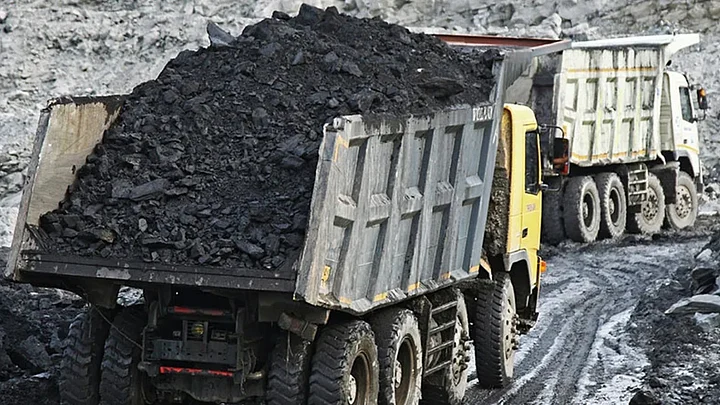
Coal power generation in China and India declined in 2025, marking the first simultaneous decrease in both countries since the 1970s.
The reduction was attributed to a significant increase in clean energy capacity, which outpaced the growth in electricity demand.
This development is considered a pivotal moment for global emissions, as China and India are the world’s largest coal consumers.
According to The Guardian, the fall in coal-powered electricity was 1.6 percent in China and 3 percent in India during the previous year.
The analysis, conducted by the Centre for Research on Energy and Clean Air, highlighted that the expansion of clean energy projects in both countries was sufficient to meet rising energy demand, leading to the reduction in coal use.
China achieved record additions of over 300GW of solar power and 100GW of wind power in 2025, setting new benchmarks for any country globally as coverage revealed.
India, meanwhile, added 35GW of solar, 6GW of wind, and 3.5GW of hydropower, marking a substantial increase in its clean energy portfolio.
The report noted that clean energy growth accounted for 44 percent of the reduction in India’s coal and gas generation compared to the previous five years.
This marks the first time that clean energy expansion has played a significant role in reducing India’s coal-fired power output following analysis. The remaining reduction was attributed to milder weather and slower demand growth.
“The drop in coal power and record increase in clean energy in China and India marks a historic moment,” the report stated, describing it as “a sign of things to come”.
About 36 percent of India’s fossil fuel reduction was due to milder weather, while 20 percent resulted from slower underlying demand growth.
However, experts cautioned that a rise in severe summer temperatures could increase demand for air-conditioning and potentially reverse the decline in energy demand as further details emerged.
In recent years, expectations of a global peak in coal power were delayed by external factors, including the war in Ukraine, which led to higher global gas prices and increased coal use in developing countries. The International Energy Agency previously projected that coal power could remain at near-record levels until 2027 as reporting indicated.
“Together, the countries drove more than 90 percent of the increase in global carbon emissions between 2015 and 2024, meaning a permanent reduction in coal use could bring a peak in the world’s coal consumption and global emissions,” the analysis concluded.
China and India’s clean energy expansion is now seen as a critical factor in the global effort to reduce emissions. The scale of new solar and wind installations in both countries has set new global records, underscoring the potential for further reductions in coal dependency at the end of the review.
Note: This article is produced using AI-assisted tools and is based on publicly available information. It has been reviewed by The Quint's editorial team before publishing.