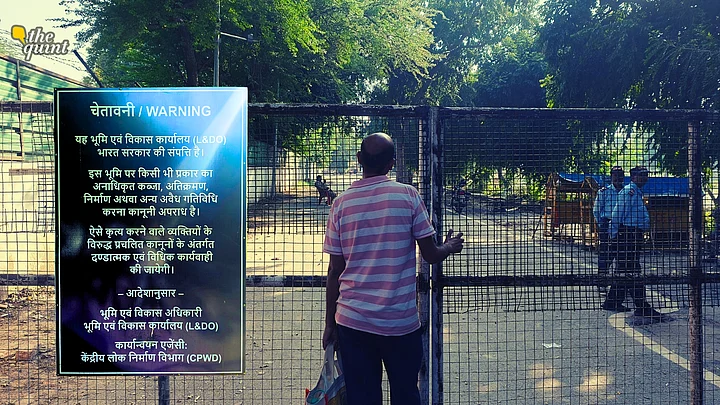
The demolition of the Race Course Masjid in Delhi has been paused for four weeks following the Centre’s assurance to the Delhi High Court that no coercive action will be taken until the Delhi Waqf Board’s representation is decided. The mosque, located near the Prime Minister’s residence, remains inaccessible to worshippers during this period. The matter is scheduled for further hearing on 16 December 2026.
According to The Indian Express, the Land and Development Office informed the court that it would not proceed with the mosque’s removal for four weeks, providing temporary relief to the Waqf-notified and heritage property. The Centre’s counsel stated that the Delhi Waqf Board’s representation would be considered within this timeframe, and no action would be taken in the interim.
As reported by Live Law, Central Government Standing Counsel Ashish Dixit conveyed to Justice Anish Dayal that the representation would be decided “as expeditiously as possible, within four weeks.” The court recorded this assurance and noted that the petitioner, a worshipper, had sought protection for the mosque against demolition and raised concerns about restricted access for worshippers.
As highlighted by Bar and Bench, the Delhi High Court remarked that it could not compel the government to allow prayers at the mosque due to ongoing demolition activities in the vicinity and related safety concerns. The court acknowledged the government’s submission that access to the mosque, as well as a nearby temple, would remain restricted while demolition work continued.
“If somebody gets injured when the demolition is going on, who will pay the compensation? Let them decide [Waqf Board’s representation]. It is a fair submission that has come [that the mosque will not be demolished till the representation is decided]. But we cannot force them to give it for prayers. It's not the only thing. You are trying to protect the monument,” the court stated.
Further details indicated that the mosque is part of a broader land reclamation drive by the Centre in the area surrounding Lok Kalyan Marg. The Delhi Waqf Board’s representation is central to the ongoing legal proceedings, and the court has directed the government to file a status report on the matter.
The legal submissions showed that the petitioner’s plea challenged the denial of access to the mosque, citing the right to religious practice under Article 25 of the Constitution. The petitioner also alleged that electricity and water connections to the mosque were disconnected during a demolition drive targeting nearby settlements, though the mosque itself was not listed among the encroachments.
Ongoing court proceedings as the case develops will determine the future of the mosque, with the next hearing set for 16 December 2026. The court has instructed that no demolition or coercive action be taken until the Waqf Board’s representation is resolved.
“The mosque will not be demolished till the representation is decided,” the Centre’s counsel reiterated before the court.
Note: This article is produced using AI-assisted tools and is based on publicly available information. It has been reviewed by The Quint's editorial team before publishing.