The West Bengal government has initiated a verification process for beneficiaries of the Annapurna Yojana, a scheme providing monthly financial assistance to women. The new eligibility criteria require applicants to undergo verification linked to the Special Intensive Revision (SIR) of electoral rolls, as well as checks on the vaccination and educational status of their children. Women whose names have been deleted from the electoral rolls during SIR, or whose children are unvaccinated or attend unrecognised madrassas, are now ineligible for the scheme.
According to Deccan Herald, the Annapurna Yojana was launched by the new Bharatiya Janata Party administration in West Bengal as a repackaged version of the previous Lakshmir Bhandar scheme. The scheme provides Rs 3,000 per month to eligible women, replacing the earlier assistance rates of Rs 1,500 and Rs 1,700 for general and reserved categories, respectively.
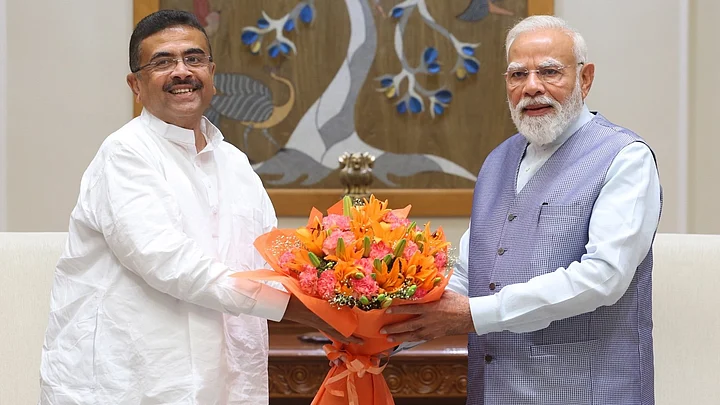
As coverage revealed, Chief Minister Suvendu Adhikari stated that over 28.25 lakh women began receiving direct bank transfers under the new scheme on 4 June 2026. The government is reassessing eligibility for all applicants, requiring them to fill out new forms that include detailed questions about their children’s vaccination and education.
Officials clarified that women whose names were deleted from the voter list during the SIR process, and whose appeals for restoration were rejected, will not be eligible for the Annapurna Yojana. The government has also specified that children attending unaided, unrecognised madrassas or lacking government-mandated immunisation will render their mothers ineligible for the scheme as details emerged.
At the start of the verification drive, the administration emphasised the need to prevent ineligible individuals, including those who lost voting rights or failed to comply with child welfare requirements, from accessing public funds. The new 11-page application form requires disclosure of children’s vaccination records and school details, with explicit mention of government-recognised institutions.
“We will have to know if anyone has not got their children immunised through the government vaccination programme, because it will mean that the concerned person does not consider the government’s words (on the need for immunisation) important. So, why should such a person get Rs 3,000 to be provided through the Annapurna Yojana?” said Agnimitra Paul, women and child welfare minister.
Further, the government clarified that the exclusion from the electoral roll does not equate to loss of citizenship, referencing a recent Supreme Court ruling. However, only those whose appeals for restoration of voting rights are pending or accepted may still be considered for the scheme following reports.
In addition, the administration stated that Hindu refugees from Bangladesh who have applied for or secured citizenship under the Citizenship Amendment Act, 2019, will remain eligible for the Annapurna Yojana. The government’s stated objective is to ensure that only eligible Indian women benefit from the scheme, with the verification process designed to prevent misuse and align with the BJP’s election manifesto promises as analysis showed.
Note: This article is produced using AI-assisted tools and is based on publicly available information. It has been reviewed by The Quint's editorial team before publishing.