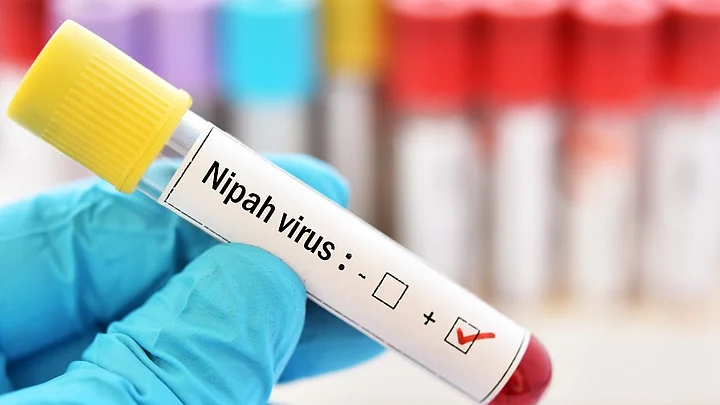
Airports across several Asian countries have implemented enhanced health screening measures for travellers from India following the confirmation of two Nipah virus cases in West Bengal.
The Indian health ministry has stated that all 196 contacts linked to these cases have tested negative, and no further cases have been detected. The situation remains under close surveillance, with public health protocols in place to prevent any potential spread.
According to The Indian Express, airports in Thailand, Taiwan, and Nepal have reintroduced COVID-style health checks for passengers arriving from India after reports of Nipah virus infections.
The Union Health Ministry clarified that only two confirmed cases have been reported in West Bengal since December, and all identified contacts have been traced, monitored, and found negative for the virus.
Enhanced surveillance and laboratory testing were conducted through coordinated efforts between central and state health agencies as coverage revealed, ensuring timely containment of the cases. The ministry emphasised that the public should rely solely on verified information from official sources and avoid spreading unverified or speculative reports regarding Nipah virus disease.
As noted in an article by The Indian Express, the rapid response by AIIMS Kalyani played a crucial role in identifying and containing the virus. Emergency molecular testing confirmed the Nipah virus within six hours, followed by immediate isolation, ICU infection-control measures, and comprehensive contact tracing. Environmental sampling and bat surveillance were also conducted to assess potential sources of infection.
Screening of travellers at airports is described as a precautionary public health measure, not an indication of widespread community transmission according to expert analysis.
The risk to the general public is considered low, provided that health systems remain vigilant and established containment protocols are followed.
“It has been observed that speculative and incorrect figures regarding Nipah Virus Disease (NiVD) cases are being circulated in certain sections of the media. In this context, it is clarified that, as per reports received from the National Centre for Disease Control (NCDC), only two confirmed cases of Nipah Virus Disease have been reported from West Bengal from December last year till date,” the health ministry stated.
In terms of clinical management, the government has a reserve of monoclonal antibodies imported from Australia, which are permitted for compassionate use in early-stage Nipah cases, as reported.
However, these treatments have not undergone human trials for Nipah and are not widely available. The fatality rate for Nipah virus infection remains high, but the disease is not as transmissible as COVID-19 or influenza.
Preventive measures recommended by health authorities include avoiding raw date palm sap, refraining from consuming fruits possibly contaminated by bats, and maintaining strict hygiene in healthcare settings as details emerged. The World Health Organization and Indian experts stress the importance of early detection, rapid testing, and rigorous contact tracing to prevent outbreaks.
For now, the Indian health ministry says it will continue to monitor the situation and coordinate with international and domestic agencies to ensure public safety.
Note: This article is produced using AI-assisted tools and is based on publicly available information. It has been reviewed by The Quint's editorial team before publishing.