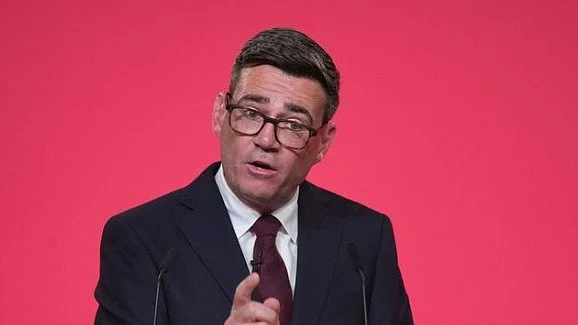
Andy Burnham was appointed as the Prime Minister of the United Kingdom on 20 July 2026, following the resignation of Keir Starmer. Burnham’s first official actions included scrapping the government’s digital ID scheme and announcing a focus on addressing the cost of living. He is expected to unveil his cabinet and present a comprehensive 10-year plan for the country.
According to The Hindu, Burnham’s decision to abandon the digital ID scheme was intended to redirect resources towards immediate economic concerns. His spokesperson stated that funds previously allocated for the ID project would now be used to support households facing financial pressures.
As reported by The Guardian, Burnham emphasised the scale of his ambitions by referencing a “10-year plan” for the UK. He clarified that this plan was about structural change rather than a personal tenure goal, stating, “We’re not in the right place structurally, we’re not in the right place as a country. I think people can feel that.”
Further details indicate that Burnham’s rise followed Keir Starmer’s resignation after internal Labour Party turmoil. Burnham secured a key parliamentary seat in North West England, positioning himself as the leading candidate for the premiership.
Burnham’s allies described the digital ID scheme as a “fiasco” and welcomed its cancellation. Coverage revealed that the Labour leader’s team viewed the move as a reset of government priorities, with a clear shift towards economic fairness and support for families.
In his interview, Burnham addressed concerns about tax policy, suggesting he was not inherently a tax raiser and expressing awareness of public frustration over the frozen personal allowance. Analysis showed that Burnham’s approach may involve targeted fiscal measures, but he has not committed to reversing the allowance freeze due to the significant cost involved.
“One thing I heard most on the doorsteps in Makerfield was frustration about the personal allowance, frozen at £12,570 … [That complaint] lodged in my mind,” Burnham stated, reflecting on public sentiment.
Burnham’s administration is expected to act swiftly on cost-of-living issues. Reporting indicated that he has previously called for a public debate on executive pay and promised to provide “breathing space” for families struggling with rising expenses.
His cabinet appointments and further policy announcements are anticipated to follow his initial speech at Downing Street. As details emerged, Burnham’s leadership marks a significant shift in the UK’s political direction, with a focus on practical reforms and economic relief.
“All the time and resources that were going to be spent on a national ID scheme will go instead to where it’s most needed, such as helping with the cost of living,” Burnham’s spokesperson confirmed.
Burnham’s policy priorities also include maintaining commitments on North Sea oil and gas, and considering interventions in sectors such as water utilities. Morning updates highlighted that his administration aims to reset and refresh government focus, moving away from projects that do not directly address public needs.
Note: This article is produced using AI-assisted tools and is based on publicly available information. It has been reviewed by The Quint's editorial team before publishing.