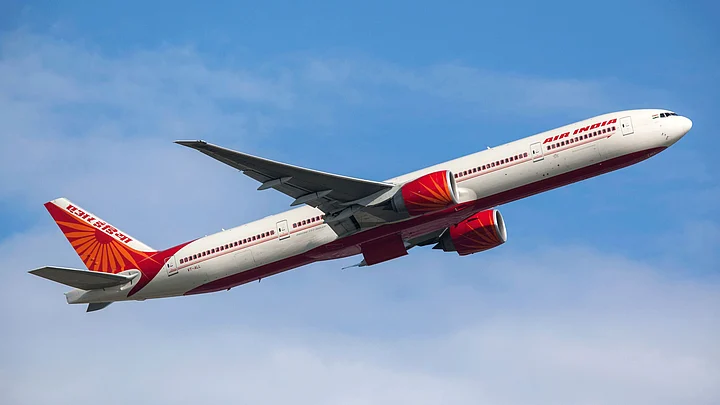
On 4 August 2026, Air India flight AI2379 from Phuket to Delhi experienced a sudden loss of all three hydraulic systems at 36,000 feet, resulting in a violent altitude change that injured 24 people. The Aircraft Accident Investigation Bureau’s preliminary report later revealed that the pilot-in-command tested ‘non-negative’ for a psychoactive substance after landing in Delhi. Air India subsequently terminated the pilot’s employment.
According to Hindustan Times, the incident occurred while the aircraft was cruising with seat belt signs off, leading to unbelted passengers and crew being thrown against the ceiling. The AAIB’s preliminary report documented the sequence of hydraulic failures and the resulting injuries, but did not establish a direct link between the pilot’s drug test result and the technical malfunction.
As reported by coverage revealed, the pilot-in-command was the monitoring pilot during the flight, while the co-pilot, who tested negative, was flying the aircraft at the time of the incident. The AAIB recommended that the Directorate General of Civil Aviation take appropriate action to prevent psychoactive substance abuse among flight crew.
The timeline established by reporting indicated that the hydraulic systems failed within seconds, causing the autopilot to disengage and triggering a stall warning. The systems recovered shortly after, allowing the aircraft to continue safely to Delhi. The AAIB’s interim safety recommendation focused solely on the pilot’s drug test result.
“In view of non-negative result for psycho-active substance of one of the flight crew, it is recommended that DGCA may take appropriate actions as deemed fit to prevent abuse of psycho-active substance,” the AAIB stated.
Further details from analysis showed that the aircraft’s technical investigation is ongoing, with Airbus experts and the AAIB examining hydraulic components, fluid samples, and flight data recorders. No final cause for the hydraulic failure has been established, and the AAIB has not issued any airworthiness directives related to the incident.
The AAIB’s preliminary report, as summarised in subsequent findings, confirmed that both pilots underwent post-flight medical and psychoactive substance tests. Only the pilot-in-command’s sample was found ‘non-negative’ in the confirmatory test, leading to Air India’s decision to terminate the pilot’s employment.
“We acknowledge the release of the preliminary report by the AAIB and continue to extend our full cooperation to the investigation, including providing access to all relevant operational, maintenance and technical records,” an Air India spokesperson said.
At the end of the preliminary investigation, as details emerged, Air India initiated voluntary psychoactive substance testing for all its pilots as a further safety measure. The final AAIB report is pending and will address unresolved technical questions about the hydraulic failure.
Note: This article is produced using AI-assisted tools and is based on publicly available information. It has been reviewed by The Quint's editorial team before publishing.