
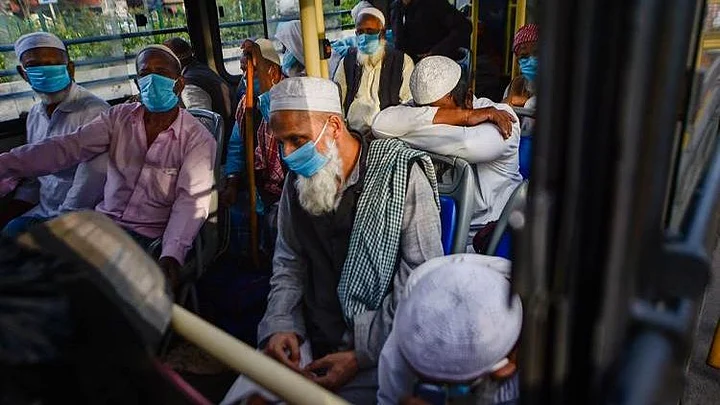
The Tablighi Jamaat meeting held in New Delhi between 8 and 22 March has emerged as the biggest cluster of COVID-19 cases in India, spread across several parts of the country. The group is facing criticism for being irresponsible and negligent in the face of a global health pandemic, as they allegedly did not do enough to ensure the safety of their participants.
But while the group faces censure – rightly – for not taking enough measures, details emerging from several states show that the effect of this cluster could have been diminished if governments across India had identified the problem and analysed the situation correctly – and had simply talked to each other.