Festive travel in India has a rhythm of its own. As soon as long weekends or major holidays appear on the calendar, people begin adjusting schedules, checking routes, and planning journeys around family commitments.
This early wave of preparation often starts with something as routine as train ticket booking. Regular travellers know that demand rises quickly during the festive season, and getting a confirmed seat often depends on how early you act and how flexible you can be when plans shift.
After the first rush of reservations settles, many people turn to tools that help them stay updated on their journey status.
One of the most common checks during this period is pnr status, especially when tickets fall into the waitlist or RAC. Watching these updates helps travellers decide whether to hold on to a ticket, consider another train, or explore alternative timings.
Why Flexibility Becomes a Real Advantage
What makes festive travel different from regular days is the level of unpredictability. Even if you plan early, trains get booked quickly, leave approvals come late, and family plans can change. Sticking to a strict plan can create stress, but staying flexible usually makes the trip go more smoothly.
Flexibility allows travellers to do the following:
1.Consider nearby boarding stations when the preferred one has fewer seats available.
2.Adjust departure dates slightly to find confirmed seats.
3.Opt for earlier or later trains that follow the same route.
4.Respond quickly when the waitlist moves or when a new train is introduced for the festival rush.
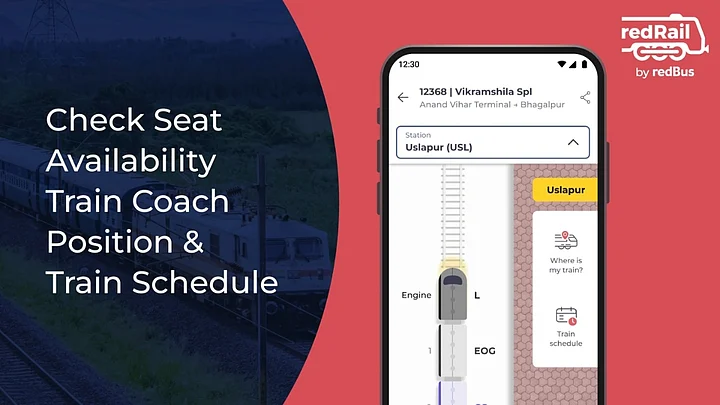
Many people notice that the more options they keep open, the better their chances of travelling without last-minute panic. This is why tools offered by redRail feel useful during peak seasons.
They let travellers compare trains, timings, and seat classes in one place without spending hours switching between sources.
How People Adapt When Demand Surges
Travel behavior changes during festivals because the stakes feel higher. A missed train does not just mean a delayed journey.
It might mean missing a family gathering, a celebration, or a long-awaited break. Over time, Indian travellers have naturally developed strategies to manage this seasonal pressure.
Planning Multiple Travel Scenarios
Instead of locking themselves into one train, many people prepare a few combinations. For example, they may choose a preferred train first, but also shortlist an earlier option in case the waitlist looks slow.
This gives them a workable backup.
Tracking PNR More Frequently
PNR updates become a routine check, sometimes done daily.
These changes guide decisions like whether to upgrade the class, consider a connecting train, or adjust travel dates. Since redRail shows real-time updates, travellers do not need to rely on scattered information.
Using Data to Predict Travel Trends
Experienced travellers observe patterns from previous years. They remember which routes are usually crowded, how quickly the waitlist clears, and which classes remain available longer. With this understanding, they plan smarter.
Balancing Cost with Convenience
During festivals, the cost of waiting too long can outweigh the cost of booking early. A flexible traveller often chooses an available seat first instead of holding out for a slightly cheaper option.
The Role of Timing in Festive Planning
Planning ahead is always recommended, but timing becomes more nuanced during festivals. Seat availability changes hour by hour during peak periods. Even trains that usually run half-empty may fill up within a few days.
Here is how travellers approach timing:
●Booking early when dates are fixed.
●Keeping a watch on special trains announced for holidays.
●Rechecking availability at night or early in the morning, when cancellations tend to occur.
●Acting quickly when the waitlist begins to move.
A flexible approach helps travellers avoid disappointment, especially when they understand that festive travel demands a wider time window and quicker decision-making.
A Quick Look at Festive Travel Patterns
The table below highlights common observations shared by frequent travellers during high-demand seasons. These patterns may help you plan better:
Why Tools Like redRail Improve Flexibility
Travel flexibility is not just about accepting changes. It is also about having clear visibility of all available choices. A platform like redRail provides that clarity by showing trains, routes, availability, and real-time updates in one place. This helps travellers:
●Compare different travel windows without losing time
●Shift plans quickly if the waitlist does not move
●Decide based on data rather than guesswork
●Stay informed about changes to their own booking
For many people, this reduces the anxiety around festive travel. When you can check status updates from your phone, choose alternatives easily, and monitor changes through a reliable source, flexibility becomes easier to practice.
Making the Most of the Festive Season
The festive season in India is special – it’s when families reunite, people travel far to be home, and everyone hopes for a smooth trip.
Being flexible doesn’t take away the excitement. It just helps you handle surprises without letting them spoil the moment.
Travellers who adapt quickly, prepare alternate plans, and track information regularly often find the season far less stressful. With supportive tools available through redRail, they spend less time worrying and more time enjoying the celebrations ahead.