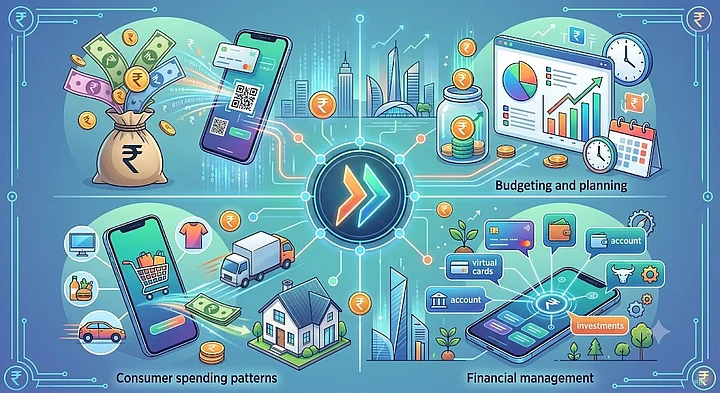
Digital payments have changed the way people deal with their finances. Online shopping, utility bill payments, money transfers, and various other kinds of payments are no longer in cash but have gone digital. People make use of various apps to make these online payments. And UPI has made this more convenient by enabling bank transfers through mobile applications.
These days, there has been an increase in the usage of UPI, mobile wallets and debit cards to make online payments. This has totally changed consumer spending habits, savings patterns and the way people borrow money. No doubt that digital transactions have improved accessibility and made payments easier, but at the same time, they also encourage impulsive spending if users don’t track their expenses carefully. Understanding these changes can help consumers make informed decisions and maintain better control over their money.
1. Everyday Transactions Have Become Faster & Easier
UPI has simplified everyday transactions by allowing users to directly transfer between bank accounts without entering bank details for every payment. People can now make payments to merchants, split bills, recharge mobile phones, and even settle bills within seconds.
Due to this convenience offered in online payments, people are now relying less on cash for payments. Digital payments have now become accessible to different income groups. Small businesses, street vendors and even local retailers have now started accepting digital payments through QR codes.
2. Change in Spending Habits and Purchase Decisions
Digital payments have totally changed the way consumers approach purchases. Carrying cash can often make spending more visible because people can physically see their money disappearing. But with UPI and contactless payments, transactions happen very fast. This has made spending less noticeable.
Due to digital lending, small purchases have also increased among people. This includes food deliveries, online subscriptions and impulse purchases too. These may not sound so big but can impact your monthly budgets.
People can track online transactions to understand their spending habits. They can even check their banking statements and payment history on a regular basis and identify unnecessary expenses and set their realistic spending limits.
3. Improving Financial Inclusion
Digital payments have made financial services more accessible to individuals who were heavily relying on cash. It has become easy for people to receive payments, transfer money and pay merchants just with the help of their mobile app.
UPI has also helped small merchants and self-employed individuals accept payments without maintaining a large amount of cash. Digital transactions may support financial documentation when applying for certain financial products. But still, the payment history doesn’t guarantee loan approval.
4. Encouraging Better Budgeting and Expense Tracking
Each digital payment you make creates a transaction record. This is very helpful to people in monitoring their finances. They don’t have to note down every purchase. They can just refer to bank statements or payment histories to understand their spending habits.
For example, if you are using UPI regularly for food, transport, and shopping, then you can review your monthly transactions and can have a rough estimate of how much amount you spend in each category. This information can help you prepare a budget and reduce unnecessary expenses.
5. Influencing Savings & Investment Behaviour
Due to the convenience and ease offered by digital payments, people started using online banking and investment platforms. Automated transfers and auto-debit facilities is helping individuals to transfer money into savings or investment products regularly.
For example, consumers can schedule transfers towards an emergency fund immediately after receiving their salary. This approach can prioritise savings before discretionary spending begins.
6. Changing Borrowing & Credit Behaviour
The rise in digital financial services has made getting a loan quite easier. Consumers can now compare various lenders, submit documents online and even explore borrowing options without visiting a branch. Moreover, in an emergency situation, it's very easy to get funds by applying for an online loan.
However, easy access to credit doesn’t mean that borrowing is affordable. One should compare interest rates offered, APR, processing fees, repayment schedules and late-payment charges before accepting a loan.
People should prefer RBI-approved loan app for borrowing. They can verify the actual regulated lender by going through RBI’s official resources. The RBI doesn’t approve every individual loan app, and lending is conducted through regulated entities only. Consumers should strictly avoid those apps that promise guaranteed approval or demand suspicious upfront payments.
7. Increasing the Importance of Digital Payment Security
Customers should be aware of the dangers of online fraud as digital transactions become more widespread. Scammers can deceive customers into sending money or divulging private information by using phishing URLs, impersonation, phoney payment requests, or fraudulent customer service lines.
Consumers should never share their OTP or UPI PIN with anyone. A UPI PIN can be asked to authorise payment but never to receive any money. Users should also be very careful while confirming payment requests. They should keep their application updated and, if they find any suspicious transactions, then report it to their bank.
8. Prompting Convenience Alongside Financial Discipline
Digital payments offer speed, convenience and better transaction visibility, but their benefits depend on how consumers use them. If you get tempted by quirky notifications and cashback offers, it can lead to unnecessary purchases.
Consumers should set their spending limits so that they don’t purchase too much. Moreover, they should also avoid unnecessary credit and maintain regular savings. They should assess the affordability of loan repayments before borrowing, even when the application process is quick.
Conclusion
UPI and digital payments are changing financial behaviour in India. Gone are the days when people used to use cash to make payments. Now, the majority of payments have gone online. This helps people track their money and makes budgeting easy. Moreover, it also influences their spending habits and the way people access credit.
But this convenience comes with certain risks and disadvantages. Impulsive purchases, online fraud and poorly planned borrowing can nullify the benefits of digital transactions. Hence, consumers, along with digital payment convenience, should also focus on budgeting, security awareness and responsible credit decisions.